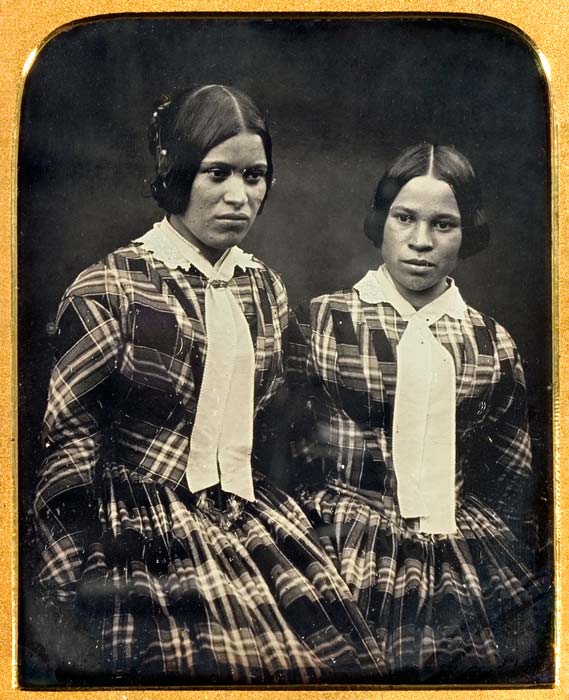
John Litchfield Newman was born in Kinsale, Ireland, in 1815. Harriet Matilda (nee Honeyfield) was born in at Malthouse Farm, Gillingham, Dorset, in 1824 (see The Honeyfield siblings emigration to New Zealand). Having met and married in New Plymouth in 1850, John and Matilda were among the earliest migrants to New Zealand.
Unlike his father and brother, who were both attorney’s, John’s interests were in business as a merchant and ship owner. By the late 1830’s the energetic young man had multiple businesses as a wine importer, provisioner (coal, grain, salt, and lime), and ship’s agent on Long Quay, Kinsale. John seems to have had considerable assistance from his family, having acquired his uncle John Spiller’s corn store, yard, offices, and stables and the lime and salt dealership had been owned by his cousin Elizabeth’s father-in-law. John’s wine dealership was initially in partnership with a Lewis Gollock, but was reopened by John as his own business following Mr Gollock’s retirement in 1843. By 1846, John was a ship’s agent and owned a ship, in addition to his other enterprises.
No doubt due in part to the Great Famine of Ireland that ran from 1845 to 1852, John was forced to sell his assets to pay debt and he was made bankrupt in 1847.
John may have taken some capital from Ireland with him, since he was able to buy land in the Omata district, Taranaki. Actually, the land purchased appeared to have been within or adjacent to Barrett Reserve land originally allocated to Dickie and Rāwinia Barrett. The first was built in the 1850’s and was lived in by John and Matilda and their five children. It was known as Donnybrook Farm (Source: Kete New Plymouth TDN 6/10/2018).
The white cottage at 7 Kapu Grove was the third built by the Newmans. The western part of the home standing today was probably constructed in 1861, while the remainder of the house was built later.
At the start of the Taranaki Land Wars in 1860 the settlers of Omata combined to build a stockade for protection and the Newman family at first found safety there. Soon after the family fled Omata , moving to Nelson for a few years where John was a publican. The family cottage was left vacant and did not survive the war. ‘The Taranaki Herald simply noting on 2 March 1861 that , “Newman’s house (Donnybrook) was burnt yesterday”. The home was rebuilt when the family returned, only to burn down again in 1866 (Kete New Plymouth).
George married Annie Poad and was a businessman for many years in New Plymouth and was a founding member of the New Plymouth Bowling Club. George retired to Auckland.
William Litchfield, born 1853, died 1921
William married Sarah Hempson and was a shipping agent before establishing a business.
Martha Anne, born 1855, died 1886
John (Jack) Honeyfield, born 1857, died 1891
Jack was educated in Taranaki and became a shipping agent before going into business with his brother Henry as storekeepers and general merchants in Opunake. Jack did not marry.
Albina Elizabeth, born 1860, died 1948
Married Oliver Coombe.
Henry James, born 1864, died 1946.
Henry married Zoe Prosser. He went into business with his brother Jack.
After a long illness, Matilda died in March 1886, aged 62 years. John Litchfield Newman died eight months later in November 1886, aged 71 years. Both are buried at Te Henui cemetery.
The legacy of William and Ethel Honeyfield is extensive and proud, leaving fond memories of a couple deeply rooted in their community and family. Generous and welcoming hosts, and loving parents to nine children, their story traverses the early colonial period through to modern times.
William
William (Will) was born on April 6, 1872 and was the oldest son of James and Caroline Honeyfield, grandson of Dicky and Rāwinia Barrett. Will lived his entire life at the Homestead in Tataraimaka.
Will married Ethel May Morris on 10th of November 1897 at St. Peter’s Church, Tataraimaka.
By the turn of the century Will and Ethel were farming the original Honeyfield farm purchased by Will’s parents James and Caroline in 1869.
Ethel
Ethel was born in the Morris family household on Tapaue Hill, on June 7, 1875 (registered at Camberwell, London). Ethel’s father, Frederick Joseph Morris, was born in Middlesex, England in 1849. Ethel’s mother, Emily Sarah Wareham was born in 1849, in Hackney, London. Frederick and Emily married in Lambeth, London in 1870.
Ethel was four and a half years of age when the Morris family emigrated to New Zealand, in 1879. The Morris family, like all other passengers on board, made the journey at their own expense, and were therefore regarded as ‘a very respectable class of people’ (Otago Witness). The Morris family made the trip in the saloon area of the vessel. It was an eventful voyage on board the vessel Taranaki, with great sorry and great joy. There was great sadness from the death of Ethel’s brother, Sydney Arthur, who died during the voyage from tabes mesenterica. Happily, there was great joy with the birth of Thomas Wareham just one month out from arrival at Port Chalmers on 21 December 1879, 82 days after leaving Glasgow. One of Ethel’s early stories was of being scolded for losing one of her shoes when she was being carried ashore on their arrival at New Plymouth.
The Morris family arrived in New Plymouth in 1880 and settled in Tapuae (not far from Oakura) where they started dairy farming.
Thanks to some research by Heritage Taranaki Incorporated we know that the Morris family’s first home was the former Pahitere Blockhouse that was constructed in 1864 for military use during the Second Taranaki Land War. Built on the old pā site Pahitere, soldiers huts were dug into the eastern slope.
Pahitere Blockhouse, Taranaki. Nicholl, Spencer Percival Talbot, 1841-1908: Photograph albums. Ref: PA1-q-177-06-2. Alexander Turnbull Library, Wellington, New Zealand. /records/23106072.
Fred and Emily relocated the blockhouse to its present location, residing in it until 1888 when they shifted into the villa across the road.
Recent photo of ‘Pahitere Blockhouse’ , source: Heritage Taranaki Incorporated
Frederick went on to chair the Oakura school committee, the Oakura Road Board, and was a member of the Taranaki County Council. The old Morris house where Ethel grew up still stands today. Ethel attended Oakura School.
Frederick Joseph Morris
Emily Sarah Morris
Ethel’s younger brother, Fred Morris, was born in London in 1877. Fred and Ethel were among the earliest pupils of Oakura School. Like Ethel, Fred lived a long life. At the age of 99 he was living by himself, keeping his lawns and gardens in immaculate condition, and continued to play bowls (Oakura School and Districts 110th Jubilee Souvenir Booklet).
The farm purchased by Fred and Emily remained in the Morris family until about 1939.
The children
Will and Ethel had nine children in 14 years in the Homestead. The house was without an indoor toilet, although they renovated the place to include the timber finished ceiling in the sitting room.
Eight of the Honeyfield children were educated at Oakura School. The children had to get up early to catch the horses to ride to school along the coast road.
More information about the children, and some memories of them, follow.
Eric Morris
Born 1st October 1898
Eric attended school at Oakura, riding his pony along the beach road
Married Doris (Topsy) Corbett. Eric and Topsy lived in a house opposite the Honeyfield family homestead on Lower Timaru Road
Served in the Home Guard during WWII
Eric had a great interest in horse racing and was an owner-trainer. His involvement with the Taranaki Hunt Club led to his property being used for the annual Hunt meetings.
Director of the Patua Dairy Company from 1935 to 1956
Died suddenly on 16 September 1956 while returning from a race meeting with his wife and daughter, Gwen.
Rex Barrett
Born 15th November 1899
Educated at Oakura School
Married Amy Longley in 1924
Rex had an interest in horse racing
Died 1966
Clarice Ethel
Born 8th December 1900
Married George Mills & moved to Palmerston North
Clarice was an enthusiastic bridge and croquet player
Died at Wanganui on 9th April 1985
Lina Emily
Born 20th June 1902
Married Les Wooldridge in 1925
Farmed on Dover Rd
Died 16th May 1951
Kenneth (Ken) William
Born 3rd February 1904
Attended Oakura School and then the New Plymouth Boys High School as a border
Worked on the Honeyfield farm at Tataraimaka and eventually moved to the Honeyfield homestead as the owner. He was a director of the Patua Dairy Factory
Married Mary Dommett from Marton in 1930
Like his siblings and father before him, Ken had a keen interest in training racehorses, winning the Desert Gold Stakes in Wellington in 1951 with ‘Princess Loch’
Died from a heart attack on 16 May 1964.
Kenneth (Ken, or Poppa to his grandkids) and Mary were the parents of John Honeyfield and grandparents to Paul Roberts and Kevin Honeyfield, contributors to this website. The photo below was taken in 1954 showing Ken and Mary with their children.
Taken in 1954. From left to right: Peter, John, Ken, Mary, Wilma and Graeme in the front
As a young child Paul Roberts remembers many trips to Tataraimaka to visit Ken and Mary at their cottage and/or Uncle Peter, Aunty Val and his cousins at the Honeyfield homestead. The kids spent long hours playing all sorts of games. Afternoon teas were amazing, with lots of yummy cakes and scones for everyone.
Farm stays were frequent and that involved farm duties like feeding the calves, feeding out hay or insilage to the cows, grubbing for weeds, bringing the cows in for milking. The extended family all helped out on the farm during hay making.
Going to the beach for swimming and picnics was a frequent occurrence, whether at Oakura, Lower Timaru Road or Ngamotu Beach, New Plymouth as the photo below shows. Ngamotu is of special significance to the Honeyfield whānau, being Rāwinia’s whenua; the location of Dicky Barrett’s trading post and whaling station, and the location of early Honeyfield farming and trading activities.
Back row: Graeme Honeyfield, Mary Honeyfield, Wilma (Honeyfield) Roberts, Val Honeyfield. Front row: Ken, David and Paul Roberts, Kevin, Trevor and Leslie Honeyfield, Jenny Roberts, taken at Ngamotu beachcirca 1960
James Frederick
Born 15th October 1905
Educated at Oakura school and then Tataraimaka school after the bride over the Timaru River was washed away.
Married Thelma Knott in 1932
Sold his farm at Tataraimaka and then owned the Okato Drapery. He also had a farm at Victoria Road, Oakura
Died in 1959.
Ada Maggie
Born 27th December 1906
Educated at New Plymouth Girls High School
Married Donald Robertson 1934
Lived in Palmerston North for awhile before returning to New Plymouth,
Held the positions of President, Secretary and Treasurer at various times for the Westown Country Women’s Institute
Died in 2003
School picnics were held quite regularly down by Katikara river for the day or sometimes we might have gone up to Rileys paddock for fun days and school concerts were also held. These were organised by the assistants at the school and were a big occasion in the district. There were three assistants at the school; a Miss Gibson, and Kath Giddy and Oma Patterson who were friends of the family. They used to spend a lot of time at the farm often staying the night. We used to see a lot of those two.
Ethel had eight lunches to cut before they all went to school every day and when they came home there was always something to eat as the children were hungry by the time they rode their horses home. She had quite a busy time preparing all the food for the family.
Hay making was an important time on the farm starting late spring til early January – cook for 15 men, bake scones for morning tea, cook dinner then buns for afternoon tea and after that the girls had to do the milking. No men helped and sometimes one of the girls would have to go out and rake the hay. Sometimes they also had to lead the horse to the hay stack so the hay could be thrown up on top of the hay stack. They walked miles a day doing this, and at this time the female was the jack of all trades.
There was a rather eccentric Minister of Religion in the district. They never knew when he would call. He would knock on the door and never waiting for the knock to be answered he would burst in and call out ‘Ha Ha Ha! here’s Charley’. He had an awful laugh. It would usually be when the family was sitting down to the evening meal and they would have to make room for him at the table. The children would sit and watch him eat. They reckoned he chewed each mouthful 30 times and would watch and giggle amongst each other and try and mimic him. Mother used to get a bit hot under the collar and the meal seemed to go on and on. They used to get a bit fed up at times. His full name was Charley Addenbrook. Of course there had to be a bed for the night and as he travelled by gig someone had to unharness and put the horse away. After tea he would chase kids around the house for half an hour. There were glass doors at the lounge and one night one of the kids closed the door and Charley went crashing through them and that finished that game. But beside all that he was a well read man as he used to sit up with mother and father talking about things going on in the world and at home, and also helped with the kids homework especially arithmetic which he was quite clever at. For all his silliness he had brains.
On New Year’s day we all got together and had a picnic at Oakura Beach not only the family – neighbours as well – some fishing, some swimming, and when I was 14 on boxing day some went to the races. These were the Christmas outings as a teenager.
Guy Fawkes was celebrated every year until the children grew up and started leaving home. A great occasion. Rubbish was collected for weeks before time and we had a real high bonfire when the time came. The neighbours would come and there would be quite a crowd and we would have a great time on Guy Fawkes night and they never had an accident. Some times they went to Father’s brother’s place, Charley Honeyfield. He too had a large bonfire and things so Guy Fawkes was really looked forward to.
When I was just a little kid i used to watch out for the cart to go along the back road down to the Pitone factory at the bottom of Pitone Road by the beach. I was just a horse and cart in those days. Later on this factory was closed and the Patua factory opened in 1915 and Dad was made Chairman until his death in 1932. Father had a bad accident at Patua. He was filling a can with whey when the cart overbalanced and he was tipped over on his back. He was in hospital for some time after that.
The old factory was used as a milking shed by Charley Honeyfield who also used the old waterwheel.
The boys and their father used to ride along the beach to Oakura Beach to search for mussels and sometimes came home with about a sack full on the horses back. They were usually put into two sacks so the load was carried by two horses and gee, they were good – all fresh from the sea – nothing like what you get these days from town – they are not so fresh. They used to get oysters by the sack-full in their shells from the Bluff oyster beds down south. They would light the fire and put a tin over the fire and put the oysters over the top and let them cook enough to open the shell up. And then we would eat them like that either raw or cook them some other way.
Reminiscences of Ada, transcribed by her daughter Allison Harris, published in The Honeyfields of Taranaki, 2014
Irene (Rene) Octavia
Born 31st December 1908
Married Don Fox
They worked together in their shop during WWII, supplying both grocery and drapery goods, with a bakery incorporated. The couple found time to play tennis and bowls competitively.
In 1953 the couple moved to a dairy farm in Horsham Downs, near Hamilton. That proved to be unsuccessful as the land was poor, so they moved a few miles away to Komakorau, this time more success.
Retired to Tauranga
Died 1966.
Montague Leslie
Born 21st September 1912
Educated at Tataraimaka school
After leaving school Monty worked for a steel works at Nelson
Married Hazel Richardson in 1932
Monty and Hazel went sharemilking in the King Country, returning to Taranaki in the 1950s where they bought a farm on Wiremu Road
Died 1983
Below is a photo of the family taken some time in the 1920’s.
Community engagement
Will continued the work his father James had started with dairy company involvement, ongoing roading improvements and community affairs. Will was instrumental in the local hall being built and the management of the Tataraimaka cemetery.
During the great flu epidemic of 1918, Will put himself, and his family at risk to take the temperatures of all the local residents and report back to the doctors in New Plymouth.
From handed down family talk, we hear that on Sundays a meal would be prepared for up to 30 people, all at the same large table. Travellers would be welcomed, even the crew of the Gairloch stayed after their ship ran aground.
Will’s niece from his double cousins side, Dorothy McLean, quoted in 1977:
Uncle Will…a great racing man, but neglected his farm in favour of racing; it was run by Newton Kings who divided it amongst his sons when he died.
If Walls Could Talk … Succession, 2019
Legacy
In 1932 William died suddenly at the age of 60. Ethel continued to live in the homestead for another eight years. Then the 223 hectares owned at the time was formally divided into four farms for the four oldest sons.
Rex became the owner of 42.5 hectares originally held by the Morgan brothers in the 1850’s. He sold that land in 1943 and moved to Morrinsville where he farmed for awhile. Rex returned to Taranaki and farmed at Inglewood before retiring to New Plymouth.
The original block of approximately 197.5 hectares was surveyed with three new titles created. The new titles were transferred in February 1940 to Eric, Ken and Jim. Although recorded as an inheritance, all four sones needed external finance to make the farm transactions happen. Jim got the farm that included the Honeyfield Homestead, with Ken farming up the road in one of the new houses.
Incidentally, Eric, Ken and Jim continued their fathers love and involvement with race horses. Rex was also interested in race horses but to a lesser degree.
Ethel retained a life time interest in the four farms and retired to New Plymouth where she lived for many years in St Aubyn St, much loved by her children, grand-children and great-grand children. Her daughter, Clarice, looked after her for many years. Her interests, apart from family, were gardening, knitting, crochet and playing cards.
In February 1972, as the oldest parishioner, Ethel had the honour of cutting the Jubilee cake at the St. Paul’s Church, Okato, 75th anniversary. For 25 years she had been the organist at St. Paul’s.
At the age of 96, she was quoted in a newspaper report as saying;
I’m just the same – only my legs won’t go but I’ve got all my senses. I’m very lucky, really.
At the age of 98 Ethel was a resident at Omahanui Home in New Plymouth and was recorded at that time as having 29 grandchildren, 93 great grandchildren and nine great great grandchildren.
Ethel was a good Christian woman who took a great deal of interest in the district and the people around her. She died at the age of 98 on 24th February 1974, 42 years after William, and is buried in the Okato Cemetery.
Ethel and her grandchildren, about 1939 From back row, girls with married names: Eunice (Eric’s daughter), June (Rex’s daughter),unknown family friend, Lola (Rex’s daughter), Morris (Bun, Eric’s son), Grandma, Alan Fox (Rene’s son), Shirley (Rex’s daughter), Lois (with head down, Eric’s daughter), Nona Heydon (Rene’s daughter), David (Rex’s son), Wilma (Ken’s daughter), Jim Fox (Rene’s son), Baby John (Ken’s son) Miriim (Jim’s daughter), Lindsay Woolridge (Lina’s son), Valarie (Eric’s daughter), Peter (Ken’s son). Source: John Honeyfield
In the words of their great-grandson, Kevin Honeyfield (extract from Honeyfield reunion bus tour notes):
Ethel Morris, or Grandma Honeyfield as she was known to some … became a very important member of the Honeyfield family. She was married to one of Dicky Barrett’s grandchildren, but outlived all of Dicky and Rawinia’s grandchildren, which left her as a trustee to close off all the loose ends of the Barrett Reserve legacy farms. Ethel also outlived six of her nine children, with just Clarice, Ada and Montague (Monty) surviving her.
Apparently at the age of 60, after her husband died, Grandma Honeyfield decided she needed a car, learnt to drive and rumour has it that she became very forthright and exciting in her driving habits. Grandma Honeyfield’s 1936 Dodge is now owned by Ash Heydon, proprietor of the Oakura garage. His wife Nona was one of Ethel’s grandkids.
The Honeyfields [William and Ethel] became very instrumental in developing dairying in the area [Tataraimaka]. William was the first chairman of Tataraimaka Cooperative Dairy Factory, and he remained chair till his death 18 years later. The co-operative factory was preceded by private dairy companies that James Honeyfield had developed.
Not many people recognise the Tataraimaka corners with the name ‘ghost valley’. The corners have been notorious for spin outs. The first ever car crash in Tataraimaka was by another of James’s daughter-in-laws … Charlie, the youngest son, bought his wife an Edsal, one of the first cars in the district. When she spun out at the Tatra corners she claimed a ghost had jumped out in front of her and hence the old name Ghost Valley. Actually, cars and Charlie didn’t really mix. Later on Charlie and his family moved up to Te Awamutu and Charlie was killed in a freak car explosion.
By February 1860 mounting tensions arising from the sale of a 240 hectare block of land at Waitara led to Governor Gore Browne declaring martial law in Taranaki, and shortly after a military assault on Te Ati Awa rangatira Wiremu Kingi and his people commenced.
The following is an account of some of the consequences for the Honeyfield siblings.
More than 200 farms were burnt or plundered by Māori over the ensuing 12 month period of hostilities, including John and Harriet Newman’s farm house in Omata. Harriet was eight months pregnant with her 5th child.
James, Henry and Edmund Honeyfield and John L Newman are listed as members. James and Edward Honeyfield at least appear to have commenced their service on formation of the militia and served for one year. John Newman also served in the first 6 months before evacuating with his family to Nelson. Henry J Honeyfield also served for 6 months (Pandora Research). They are likely to have seen service during the first Taranaki War 1860 – 61 only (at Waireka and Māhoetahi). James was awarded the New Zealand Medal for military service.
On 28th March 1860 a force of 56 Taranaki Militia and 103 Taranaki Rifle Volunteers set out to bring settlers back to safety in New Plymouth. Each man had only 30 rounds of ammunition. Edmund Honeyfield, although by then farming in the Wanganui area, was likely to have been alongside his brothers Henry, William, James and brother-in-law John Newman.
A contingent of regular army had also been despatched inland towards the Omata Stockade, but had been given strict orders to be home by dark.
At Waireka the Taranaki Rifle Volunteers and Taranaki Militia became the first colonial volunteer units to take the field against Māori at the Battle of Waireka. The Maori antagonists were mainly warriors from the Taranaki, Ngati Ruanui and Ngā Rauru iwi of the west coast, south of New Plymouth and just south of Te Ati Awa territory.
Kevin Honeyfield gave the following account of the Battle of Waireka on a bus tour during the Honeyfield reunion in March 2015:
Anxiety was high in town, especially when gun fire could be heard from the direction of where the volunteers and militia headed.
They had come across a large number of hostile, heavily armed Māori who attacked the militia with all they had.
The regular army heard the gunfire and from the Omata Stockade, marched to 700 metres from the Māori aggressors, launching long range missile fire to assist the militia. However, with orders to be home by dark they sounded the retreat horn and left the militia and volunteers to battle alone.
The militia where down to one round of ammunition each, and as day was turning to night, with no backup from the regular army, they expected a charge from the Māori at any time … their only defence would be bayonets against the still heavily armed Maori.
The militia were not in a position to retreat, for they had dead and wounded amongst them and rough terrain to navigate.
Suddenly, from a short distance away, they heard more gunshot and yelling followed by victory cries as the Māori flags came down.
Tired and with little ammunition, the militia did not advance to join the assault on the Pa, instead carrying their wounded and dead, made their way cross country to the Omata Stockade in darkness. It was there they learned that a 60 strong contingent of naval marines had stormed the Pa and dealt with all the enemy that did not flee.
Back in town, at Marsland Hill and St Marys Church, spare a thought for eight months pregnant Harriett Matilda. Her husband and brothers went to try and bring back other settlers to safety, they were not looking for a full on engagement with the enemy. She could hear the battle, but knew no detail of what was happening.
The regular soldiers arrived back at dark as ordered … telling the families how they left the militia trapped and under heavy fire. Dismay and disbelief followed, then some hours later the naval marines arrived, carrying the Maori flags and claiming victory – but they were unaware of the wellbeing of the militia. It was after midnight when the militia finally got into town and the families found out who the casualties were and who was safe.
It is probable to say that if the naval marines had not shown up, the battle of Waireka would have had a completely different outcome, and there would be no Tataraimaka or Patea Honeyfields alive today, as James and Edmund would have likely perished as single men 155 years ago today.
After the battle, many women and children were transported to Nelson. John also relocated his family to Nelson and became a publican for a few years before he and Harriet Matilda returned to their Omata farm when the unrest had settled.
The volunteers spent the winter of 1860 defending New Plymouth but saw further further successful action at Māhoetahi in November.
The Taranaki Volunteer Rifles were engaged in further action during the Second Taranaki War, storming Manutahi Pā in October 1864.
The unit was disbanded in 1866.
An impressive flag was awarded to the Taranaki Rifle Volunteers in 1861. A memorial stands in the grounds of St Mary’s Cathedral Church, New Plymouth, recording the names of 11 Taranaki Militia and 10 Taranaki Rifle Volunteers who were killed in action between 1860 and 1866.
The socio-economic context of the land purchases by the New Zealand Company over 1839 – 1840 was a fascinating intermingling of Māori and European cultures, divergent and convergent economic and social interests, adventure and geopolitical politics, such as:
Māori had invited European traders to ‘live among’ them, in order to secure muskets and other weapons to augment their capabilities in all-too frequent inter-tribal conflicts, and for the exchange of goods for European merchandise.
The New Zealand Company, formed to populate parts of New Zealand with migrants from an overpopulated Great Britain, was at haste to secure land purchases from Māori ahead of the British Government’s announced intent to secure a treaty with Māori for sovereignty of New Zealand, and to then prevent all private purchases of land. The Company’s plan was to buy land cheaply from Māori and resell at higher prices to settlers. The first of the company’s immigrant vessels departed England before word of land purchases having been secured.
Although they were fluent in te reo, missionary’s resident in New Zealand at the time were concerned about Māori rights and welfare, and refused to act as translators for the New Zealand Company.
Dicky Barrett played a pivotal role in assisting New Zealand Company representatives. Ron McLean’s thesis nicely outlines Barrett’s role as a land broker / interpreter, and some of the consequences. ‘Dicky Barrett played a key role in brokering deals between Maori and the New Zealand Company. He interpreted not only the language, but also Maori attitudes, actions and customs. Barrett drew on his family and tribal affiliations in the negotiations that obtained the land the Company wanted. All three of the transactions that Barrett was involved in were with Te Ati Awa [sic] and in particular with Rawinia Barrett’s Ngamotu and Puketapu kin. Rawinia and the Barrett children were present at all of the negotiations and their presence was influential.
However, the land transactions were controversial, and the Land Claims Commission set up under William Spain in 1842 revealed that the Maori and Europeans involved in the ‘sales’ had different perceptions of the transactions. Barrett failed to bridge adequately the gap between the two cultures, and much of the confusion and bitterness that followed stemmed from this failure. However, he was not solely to blame. The Company pressed ahead with its plans, regardless of Maori opposition.’ (McLean, page 92).
In contrast, Edward Gibbon Wakefield noted that:
I was much hurt by the pains which Mr Clarke took to sneer at him [Barrett] and his unsophisticated narrative of his doings as interpreter at the different land sales, He was not an educated man, but had a broad honest way of speaking.
The acquaintance and assistance of Dicky Barrett promised to be most advantageous to us, as he was related by his wife to all the influential chiefs living at Port Nicholson.
Adventure in New Zealand, page36.
The following is a brief overview of events.
Arrival of the Tory at Te Awaiti, August 1839
The New Zealand Company’s vessel Troy, under the company’s Principal Agent,Colonel William Hayward Wakefield, arrived at Queen Charlotte Sound in mid-August 1839 and happened across the whaling station at Te Awaiti where Dicky Barrett and his family lived.
According to the Evening Post article ‘The First Ships’ (published on 3 April, 1920) Barrett informed Wakefield that, while ‘…owing to numerous inter-tribal wars the ownership of the lands was in a very unsettled state’ he apparently suggested to Wakefield that he could purchase Port Nicholson for the Company, ‘…by having a native wife who had a Family belonging to the same Tribe’ (McLean).
Quickly grasping Dicky Barrett’s potential value in securing land, the Company’s representatives wanted him to come to their assistance. Barrett, however, was not so easily persuaded to help the Company … McLean noted that in a letter that Barrett wrote to his brother, he made it clear he was not so magnanimous, or as willing to help as the Wakefield’s indicated. Rather, ‘after a great deal of persuasion I was induced to accept on the promise of a considerable sum …’ (page 94).
Another factor was that Barrett’s whaling business was struggling at the time … dwindling numbers of whales were being caught. With inducements offered by the Company, plus with added economic opportunities likely through the arrival of British settlers, Barrett was drawn to the opportunities for him and his family.
And so, on 20 September, Dicky, Rāwinia and their children boarded the Tory and sailed to Wanganui-a-Tara (Port Nicholson).
Soon after passing through the Port Nicholson heads – with James Worser Heberley as the pilot – two waka approached the Tory, carrying senior Te Atiawa rangatira, Te Puni and Te Wharepouri, both were said to be relations of Rāwinia.According to the ‘First Ships’ article, after Colonel Wakefield’s desire to found a white settlement at Port Nicholson was explained to Te Puni and Te Wharepouri, both expressed ‘the liveliest satisfaction’.
Te Atiawa had been resident in Te Wanganui A Tara since 1834. ‘Rawinia’s Ngāmotu kin lived at four of the eight pā in the area. Te Puni and Te Wharepouri resided at Petone and Ngauranga respectively; Wi Tako Ngatata and his father Ngatata lived at Kumototo. Wairarapa and Te Ropiha Moturoa, Te Wharepouri’s father and uncle respectively, resided at Pipitea.
According to ‘The First Ships’ article, after dropping anchor the Tory ‘…was boarded by a number of Natives, who came in two canoes from the Petone beach and greeted Barrett as an old friend and companion in past dangers’.
Rawinia, too, was welcomed by relatives, many of whom had not seen her for five years. The presence of a woman of such mana among her own people must have been influential but the European accounts ignored her. It is likely however that Rawinia used her influence to support her husband and convince her relatives to support the transaction’ (McLean). Hilary and John Mitchell also claimed that Rawinia’s presence assisted Barrett and Wakefield, as she and members of her household renewed relationships with her close relatives'(H & M Mitchell, 2014: 337).
Edward Jerningham Wakefield observed that:
Several of us landed at a large village opposite our anchorage, and witnessed the ceremony of crying over E Rangi [Rāwinia], whom many had not seen for five years … The tangi, or crying, continued for a long period.
ibid
In a similar vein to persuading Barrett to set up a trading station at Ngamotu, Te Puni and Te Wharepouri’s advocacy for the sale of land to the New Zealand Company was in part due to their precariousness of the position. Ngati Kahungunu, Ngati Raukawa, Ngati Tuwharetoa and the Waikato were contesting Te Atiawa’s presence in the area. So, while other rangatira were resistant to the sale of land, all were very cognisant of the on-going threat of renewed inter-tribal conflict and the protection afforded by sourcing muskets from the New Zealand Company.
Eventually, the setting aside of one-tenth of the land for the ‘vendors’, and the prospects of more Europeans coming to help bring an end to tribal conflict, resulted in a large majority being in favour of selling all their rights to the harbour and districts under what was known by the Company as ‘The First Deed of Purchase from the Natives’. The Deed of Sale – as explained by Barrett – was signed or marked by all 16 chiefs.
It is now understood that Māori had no knowledge or experience of negotiating away the rights to their land permanently. The closest concept was a custom known as ‘tuku whenua’ where use rights may be given, but with mana whenua (power and authority over the land) remaining with the tribe. The giving of muskets and other goods would have been regarded as utu (compensation) in return for use rights (McLean).
Moreover, the 1,500 word deed written in English was reduced by Barrett to 116 words in Māori and failed to cover adequately the main provisions of the deed. There are other claims of misleading or misunderstood information. Barrett told some of the chiefs that if they signed the deed the Queen might send them presents and that the English would know they were chiefs. In any case, New Zealand company representatives were intent on acquiring land and ignored opposition to the sales even when raised by Barrett (McLean).
As it later transpired, Te Wharepouri – despite having been to Sydney with Barrett (the white population of Sydney in 1828 was 36,598 – had discounted the impact of European migration. According to Edward Jerningham Wakefield, Te Wharepouri told him that:
I know that we sold you the land, and that no more White people have come to take it than you told me. But I thought you were telling lies, and that you had not so many followers. I thought you would have nine or ten, or perhaps at each pa, as a White man to barter with the people and keep us well supplied with arms and clothing; and that I should be able to keep these White men under by hand and regulate their trade myself”.
McLean, page 106
Barrett went on to participate in land negotiations for purchase by the New Zealand Company at Queen Charlotte Sounds and what was to become New Plymouth.
According to Wells, on 8th November 1839, a deed was signed by 30 Māori signatories, and co-witnessed by Barrett, that included provision of land in Taranaki to be reserved for ‘…Mr Barrett and the children of the late Mr Love as for the Native chiefs; these two Englishmen having lived for some many years among the Ngatiawa [sic] during their wars, and having had children born of Maori – wives on the spot, have long been considered as belonging to the tribe’ (page 34).
Wakefield used another interpreter for the negotiations with Ngati Toa in the Kapiti area, and for purchases in Nelson negotiated around the same time.
Ngamotu
When the Tory arrived at Ngamotu in November 1839 there were less than 60 Te Atiawa living in the area, but that number included Rāwinia’s father, Eruera Te Puki ki Mahurangi. Kura Mai Te Ra, Rāwinia’s mother, had been taken captive to Kawhia in 1833 by the Waikato. She was released in December 1839. According to Dr Ernst Dieffenbach, a young naturalist travelling with the Tory.
On our arrival [at Ngamotu] being known, they [remaining Te Atiawa] assembled around Mr Barrett, and with tears welcomed their old friend. In a singing strain of lamentation they related their misfortunes and the continual inroads, of the Waikato. The scene was truly affecting, and the more so when we recollect that this small remnant had sacrificed everything to the love of their native place. I perceived in the evening how much they stood in dread of the Waikato [who] had been observed in the direction of Kawhia, and the fear that the Waikato were again on their way to Taranaki kept them awake during the greater part of the night.
Wells, page 41
Wakefield left Barrett and his family to conduct the negotiations and intended to soon return. As cited in Wells ‘History of Taranaki’, Wakefield expressed a great deal of confidence in Barrett, claiming that
… the agent I have employed is from his connection with the natives, perhaps the only man who could negotiate the bargain, I have every hope that on my return here the completion of it will be effected.
Wells, p37
However, due to a series of events, Wakefield did not return until February 1840. At that time, living in readiness for a possible invation from Waikato, Barrett and his family lived on small a terrace on the Moturoa Island about 20 metres in circumference, sheltered in part by an over-arching rock. According to Edward Wakefield:
In one corner was a wharepuni occupied by Barrett and his family, and in the middle was a wata, or storehouse, stuck upon four poles about six feet high, and only approachable by a wooden log with steps cut out in it. We were received cordially by e Rangi and the children, Barrett’s black cook Lee, Dr Diffenbach, Worser the whaler and six or seven natives of both sexes.
Adventures in New Zealand, page 167
Giving the long years of hardship that he had suffered in keeping hold of his tribal lands, it is not surprising that Rāwinia’s father was initially opposed to selling the land, viewing the offer in exchange to be ‘a mere nothing’ compared to his land – despite Dicky and Rāwinia’s desire to re-establish their lives there. It was not until Barrett threatened to leave with his wife and children that a deal was done (McLean). The formal deed of sale was signed by 75 Māori individuals on 15 February 1840 – the same month as the Treaty of Waitangi was signed.
Similar problems with differing perceptions about the nature and extent of the deals and disputes about entitlements to sign – as transpired in Port Nicholson and elsewhere – were also the case at Ngamotu as became evident in the subsequent Land Claims Commission hearings in Wellington.
Te Atiawa today conclude that ‘many Maori were unfamiliar with the process and effects of land purchases according to English land law’.
Soon afterwards Barrett and co returned to Wellington together with the Wakefield’s on the Guide.
Although Te Ātiawa were victorious in the Battle of Otaka Pā, in the expectation of retribution by the numerically stronger northern tribes the iwi subsequently decided to join their relatives who had moved south in two earlier migrations. A small number choose to remain, including Rāwinia’s parents. Chiefs leading the Te Heke Tama Te Uaua (as the migration south was called) included Tautara, Te Puni and Te Wharepouri. According to Rangi-pito of Ngāti Rāhiri who was a boy at the time, the heke comprised members of the following hapū of Te Ātiawa: Ngāmotu (including Ngāti Tuwhirikura), Puketapu, Manukorihi, Pukerangiora and Ngāti Rāhiri (Smith, 1910, p50). Te Ātiawa settled in Te Uruihi near Waikanae, with some subsequently moving on to Te Whanganui-a-Tara (in what was later to become Wellington).
Also fearful of the hostile environment, and facing a greatly diminished supply of dressed flax due to the imminent departure of those producing it, Barrett, his family and most of his fellow traders joined the heke. Their objective was to join the profitable shore whaling industry at Te Awaiti on Arapawa Island that had first been established (on a permanent basis) by John Guard in 1827.
The heke was not without its problems. In his journal, Barrett described it thus:
Packing our pikau each adult had carried 40lbs, including the women, we took a quantity of guns and ammunition. We made our way by the Te Whakaahurangi track, much hard work was entailed in cutting our way, but favoured by good summer weather we made fair progress but was compelled to rest a great deal on account of the children becoming foot sore. On reaching Whanganui we found ourselves involved in a serious battle, in which we lost a few men. Continuing our journey we reached Port Nicholson after three months of hardship, the party numbered about 2000 all told.
Barrett and co initially spent some time on the Kapiti coast, where they met the famous Ngati Toa chief, Te Rauparaha, a man with reputation as an innovative and relentless fighter.
Barrett and Love initially settled at Te Uruhi where they were known as part of the Ngāmotu hapū because of their exploits during the siege of Otaka pā (J & H Mitchell, page 323). The Mitchells went on to record that ‘Barrett and his colleagues were accorded high mana by the tribes and hapū of Ngāmotu as exceptionally brave men whose intervention was instrumental in saving Otaka Pa from almost certain destruction by the Waikato/Maniapoto in 1832. Further, their entrepreneurial spirit and fair dealings enabled many Taranaki Māori to benefit from the new economy they helped as traders in Taranaki and whalers and traders in Tory Channel’ (page 333).
Resettlement along the Kapiti coast became a challenge for Te Ātiawa. Puketapu, Manukorihi, Mutunga, Rāhiri and Ngāmotu hapū, and rangatira including Tautara and Huriwhenua were all at the Battle of Haowhenua Pā (on the south side of the Otaki River) after unrest between Ngāti Raukawa and Te Ātiawa led to Ngāti Raukawa laying siege to the pā. Although many were killed in the conflict Te Ātiawa managed to fend off the attack. However, the underlying conflict between the tribes triggered the relocation of some Te Ātiawa to Port Nicholson and others to Arapawa Island (in the Marlborough Sounds), and area already claimed by conquest by Te Ātiawa.
Barrett and Love also met John Guard, the whaler who had set up more than one whaling station in Te Wai Pounamu. Guard was persuaded by Barrett and Love to hand over his whaling operations at Te Awaiti to them.
And so Barrett & co arrived in Te Awaiti in late 1833, prior to the Battle of Haowhenua Pā. Guard had moved to Cloudy Bay, although his former lieutenant, Joseph Thoms, remained. The Europeans were accompanied by about 60 Te Ātiawa from Waikanae (joining their relatives who had first migrated to the area in 1827 and had helped John Guard establish the first whaling station) and several Ngati Tama and Ngati Toa.
The area though was not without inter-tribal conflict. For several years there were raids on Te Awaiti from the southern iwi, Ngai Tahu, and between Te Ātiawa and Ngati Toa, at times forcing the whalers on to ships or into the bush to avoid the conflict, and at other times the whalers joined forces with Te Ātiawa to drive off Ngai Tahu raiders. It was perhaps for this reason that local rangatira regarded the close proximity of whalers as being advantageous to them, and so they were keen to keep them around. Te Rauparaha also perceived the same advantages, and was happy to have whaling stations based at Kapiti and Moana Islands (Trevor Bently, 1999).
The new whaling crew had limited equipment initially, and at first just whale bone was sold to passing ships (Caygill). During that early period at Te Awaiti the Pakeha/Maori community lived in close co-existence with the resident Māori – particularly Te Ati Awa – and relied on them for protection. Barrett’s marriage to Rawinia ‘…was important in an area with a significant Te Ati Awa population’ (McLean).
Wakaiwa Rawinia and other Māori wives also played a significant role. The Mitchell’s noted that ‘It is highly likely that partnerships formed between resident whalers and Māori women were made with the assistance of senior Atiawa women such as Wakaiwa, Mereruru Love and Hikimapu Keenan (page 336).
As the whaling season lasted just four months of the year, and despite the terrain being mountainous with steep sided valleys and small areas of flat land, the community managed to supplement their seafood diet by cultivating vegetables and fruit in the area, and raising pigs.
After overcoming their initial hardships, Barrett and his crew went on to establish a second whaling station at Te Awaiti. Over time the station became better organised and fully equipped via funding by Sydney merchants, and the whalers obtained more arms and ammunition.
Life at the station, particularly during the whaling station, was a distinctive male culture where large quantities of alcohol was consumed, often leading to violence and disciplinary measures of various kinds. Singing and the spinning of yarns were frequent sources of entertainment, and Barrett developed a penchant for storytelling.
While the male culture was strong, the Māori wives of the whalers played a moderating role and were able to exercise some influence over the behaviour of their partners. The whalers’ wives ‘… adopted European clothing and grooming habits. The women and children spoke English in addition to Maori’ (McLean).
Barrett eventually become too fat to go out in the whaling boats. However, in his role as chief headsman, Barrett was in charge of running the whaling station. In that role that he built and maintained relationships with local chiefs and with merchants in Sydney, traded with local Māori for pigs and agricultural produce, and supplied the whaling crew with goods and services – including rum – the cost of which were deducted from their share of the catch.
Barrett and the other chief headsmen were seen as leaders or rangatira (chiefs) by both European and Māori, and as such were expected to show hospitality and generosity – values shared by the whalers and Māori. ‘When Edward Jerningham Wakefield visited Barrett’s house at Te Awaiti it was reported to be half full of whalers and Maori. Barrett was noted for his kindness to both Maori and whaler’ (McLean).
As chief headsman, Barrett was responsible for keeping order and for resolving disputes. McLean noted that Barrett ‘… had a reputation for hospitality and kindness that was highly valued in [the] male culture’. According to Edward Wakefield, a stranger at Te Awaiti ‘was always welcome to a share of the meal, a drop of the grog and a seat on a stool …’ (McLean).
During the whaling off season, Barrett resumed his trading activities in the Harriet, a 40 tonne cutter, and gained a thorough knowledge of the coastal area. The Harriet made a sealing trip down the west coast in 1836; it was sighted north of Wellington and it was used to collect coal from Manganui, near Cape Farewell (Mclean).
By the time Colonel Wakefield arrived on the Tory in 1839, there were three whaling stations at Te Awaiti, under the direction of Joseph Toms, Dicky Barrett and Captain James Jackson (Caygill, 1948:23). Barrett’s whaling station was the largest, operating nine boats, making it the largest whaling station in New Zealand at the time. Many of the Māori employed by Barrett were from Nga Motu. Te Awaiti had a population of 40 to 60 Europeans, 25 Maori/European children and 200 Maori. Interestingly, the crew of the Tory noticed that many of the Maori spoke a good deal of english (Emily Owen, 2007).
Interestingly, Barrett and Love both took their wives and children to Sydney in December 1836 on the Hannah. According to James Heberly’s journal, while they were in Sydney they heard that the ‘southern part of the North Island was to be settled by the English’, so they bought tobacco and blankets to purchase land at Port Nicholson (J & H Mitchell, p 300). So by the time the Tory arrived in 1839, Barrett would have had time to dwell on the expected arrival of English settlers and get prepared for that.
Edward Wakefield described Barrett’s house as being, “… a very superior edifice, built of sawn timber, floored and lined inside, and sheltered in front by an ample veranda. A long room was half full of natives and whalers. His wife, Rangi, a fine and stately woman, gave us a dignified welcome and his pretty half-caste children laughed and commented on our appearance to some of their mothers relations, in their own language” (E Wakefield, Adventure in New Zealand).
E J Wakefield recorded that, ‘Barrett has adopted a son of an old trader and friend of his named Jacky Love, who was on his deathbed, regarded by the natives as one of themselves … his son Daniel was treated with that universal respect and kindness to which he was entitled by the character of his father and the rank of his mother’ (page 33).
Jacky Love died at Te Awaiti in October 1839. Wakefield went on to record that, “During our absence from Te Awaiti, Jacky Love, the trader whom I mentioned as having the affection of the natives had died. 200 natives followed his body to the grave; and they subsequently erected a monument over it such as usually graces the tomb of a great chieftain” (page 99).
Memorial to John Agar Love
Hikirau Street in New Plymouth is named after Jacky Love.
Seeking utu for their defeat at Motunui in 1822, in 1831 a Waikato-Maniapoto taua (war party) under the leadership of Pōtatau Te Te Wherowhero launched an attack on Te Ātiawa. By early in 1832, following their successful siege at Pukerangiora Pā, the taua moved on to attack those Ātiawa assembled at the Ōtaka Pā, Ngā Motu. As recorded by Trevor Bently, Ōtaka Pā at the time was occupied by chief Te Wharepōuri and the Ngāti Tawhirikura and Ngāti Te Whiti hapū to whom he was closely related (Bently, 2014:96).
Bently’s description of the siege drew on interviews of the former combatants by William Skinner, including Caroline Honeyfield and Dicky Barrett.
Having had advance knowledge of the attack, Te Ātiawa had built emergency earthworks and palisades. Although the taua were armed with muskets, Te Ātiawa also had muskets provided by Barrett and Love, and the British traders operated four canon that had been purchased from a trading vessel. Other members of the trading station at Ngā Motu included George Ashdown, Billy Bundy, John Wright and William Keenan. Although Te Ātiawa were outnumbered, after a siege that lasted three weeks, the taua was eventually driven off.
Bently described the Ātiawa victory as being ‘The most celebrated use of tribal artillery in a defensive role during the Musket Wars occurred at the Seige of Ōtaka Pā, Ngā Motu during Jan – Feb 1832.’ The defenders ‘… deployed 100 muskets, four ships cannon, a carronade and swivel gun during heroic three week defence. Assisted by their women, some 300 defending toa and eleven Pākehā-Māori fought off a succession of attacks by 1600 musket armed [Waikato-Tainui] warriors.’ (2014:95).
While Te Ātiawa were victorious, W. H. Skinner claimed their defences had been hurriedly put up and ‘…Otaka would have met the same fate as Pukerangiora had it not been for the determined stand made by the British traders and whalers living with the tribe under the leadership of John Love and Richard Barrett’ (Journal of Polynesian Society: History and Traditions Of The Taranaki Coast).
Skinner’s map of Ōtaka Pā is shown below (Map No. 7) in what is now land on the seaward side of Breakwater Road, across from the intersection with Pioneer Road (formerly part of Barrett Road) and through to Bayly Road, New Plymouth.
During the siege several attempts were made to negotiate a truce. Negotiators on the Te Ātiawa side included Te Wharepōuri and Tautara. At one point the locals were inclined to accept the Tainui terms of surrender, but the Englishmen would not hear of it.
Part of the negotiations involved Jacky Love meeting with Te Wherowhero on board a visiting schooner, the Currency Lass, from Sydney, but he was not persuaded of the enemy’s expressions of good intent (B Wells, 1878). At that point, Te Wherowhero stated that the Pākehā heads ‘… would be steamed and preserved for sale…’. Love retorted that “… they were perfectly satisfied with the position their heads occupied” and then swam back to shore through a hail of musket shot, while the Currency Lass sailed away.’ (Caughey, page 50)
There were various social interactions between members of the taua and Te Ātiawa that must have seemed particularly odd to the Europeans … until they too were involved, trading blankets and tobacco for muskets and ammunition.
According to Wells, after a three-week siege the Waikato-Maniapoto launched an attack at dawn, with some gaining a breach into the pā, but they were repulsed, and at that point ‘British courage now rose to heroism. The three remaining cannonades were served with celerity and precision, the missiles which they belched out inflicting horrible wounds in the bodies of the assailants. The enemy charged again and again, until at last a panic seized him [sic], and he retreated, dragging his dead chiefs but leaving his wounded. Three hundred and fifty bodies lay around the pā, some dead and some living. Then the Ngamotus [sic] rushed out to wreak vengeance on the wounded’ (B Wells).
Angela Caughey described the role of the pākehā as follows: ‘… the belching cannon, coupled with the inspiration and leadership of Barrett and Love, repelled and almost literally shattered the invaders’ (page 51).
Ron McLean’s research suggested that the role played by Barrett and his fellow traders was not so decisive. Given the short amount of time that the Europeans had been living as ‘Pākehā-Māori’, and that they had not by then witnessed Māori at war, McLean suggested that the Europeans ‘…saw Te Atiawa actions as puzzling and bizarre … [that] attempts by traders to alter Te Atiawa’s behaviour were unsuccessful … [and that] Te Atiawa bore the brunt of the fighting and saw no need to change’.
However, the role played by the europeans is put into the right context through Bently’s research, which concluded that ‘Contrary to accepted versions of the siege, Love and Barrett never directed the defence of Ōtaka Pā and the artillerymen operated strictly in accordance with tikanga or Māori military protocols. Te Wharepōuri and his chiefs listened to the advice of their Pākehā-Māori artillerymen, but ultimately made their own tactical decisions’ (2014:103-104).
However, as the Te Ātiawa were outnumbered, and the Taua was well-supplied with muskets, it seems likely that the British men and their canon played a decisive role, particularly on the final day of fighting.
In December 1846, Barrett gave a detailed description of the battle to Harcourt Aubrey, Inspector of Police, Taranaki. As recorded by Inspector Aubrey, Barrett’s account – being ‘as fresh in his memory as if it had only recently happened’ was as follows:
… while this massacre was perpetuating at Pukerangiora, he [Barrett], assisted by the relatives of a woman he then cohabited with [Rāwinia, who was formally married to Barrett in 1841], consisting of a part of the Ngamotu, Pukitappu [Puketapu], and Ngatiawa [Te Ātiawa] tribes, intrenched himself at Moturoa, the enemy as was expected, made an attack a few days later, but received a warmer reception than they had anticipated, 4 iron cannon of different calibre … proved of great assistance in thinning their numbers, they remained for 3 weeks, and made several attempts to force the intrenchments but without success. In one of these they lost 150 men who were cut up and devoured with surprising quickness by the Ngamotu and other tribes opposed to them – To use Mr Barretts own words, he could only compare the interior of the Pa at this time to Leadenhall Market, there were so many parts of the human frame hanging up preparatory to being cooked – Notwithstanding the Waikatos were greatly superior in numerical strength to the Ngatiawas, the latter forced them to retreat and showed no quarter to those that fell into their hands (letter from Aubrey to Donald McLean, National Library).
In the middle of the year 1832, one early morning Love sighted some small craft well to the east of Motoroa Island. We all arose, and after scanning them for some time we arrived at the conclusion that they were Maori raiders in canoes. We hastily took to our boat, including all womenfolk and headed for the shore.
On arrival we aroused all the Maoris, handed out the guns, about 750 in all, distributed powder and slugs at various points, taking up our positions along the water front which we had built up some time previous with huge trees sand banks and flax bushes.
Love, myself, Keenan and Williams manned the cannon on the hilltop and prepared for action, the rest of the natives being armed with spears.
After landing, the raiders, led by their chief, chanting ake, ake, ake, which meant that they would fight on forever, came along the beach. Love had given the signal to commence by firing a cannon, the charge dropping amongst them causing havoc, our guns were now mowing them down, and their numbers were dwindling. We discharged the remaining three cannon, immediately reloading and joining in. By this time many had reached the barricades, but in attempting to climb in they were promptly speared by the women.
The battle lasted about eight hours, when they retreated to the waters edge. Keenan who was now amongst the Maoris as the pakeha tohunga noted that the enemy were short of food. He suggested that as the battle was done we should feed them before their return. Love said, “If you are game to ask them it will be all right”. Keenan advanced with his right arm raised above his head, talking to them at the same time. They laid down their arms at the request of their chief, the food being carried out to them by Keenan’s disciples and the drink by some of the women.
That ended the raid, as they returned that evening leaving about 400 dead bodies for us to bury.
Many may wonder why we fed them, but here is the answer. Keenan through continually preaching had a band of adherents about 800 who believed in the Bible and he had taught them the text of Holy Scripture, which had suggested the deed. ‘If thine enemy thirst give him drink; if thine enemy hunger, feed him.’ Keenan was quite pleased with this act and no doubt he was becoming a force of great good in settling the many squabbles which took place in time settlement.
Our losses were only fifty, principally members of the Ati-awa. We buried the dead to the east of the settlement.
William John Honeyfield was born at Moturoa on December 8, 1855 to parents Sarah (Hera) Mary Honeyfield (nee Barrett) and William Henry Honeyfield.
William was known as Jack to others and as Uncle Jacky to the Honeyfield family.
Young Jack was only 8 years old when his father died of typoid fever in May, 1864.
When James and Caroline Honeyfield moved to Tataraimaka in 1869, Jacky, aged 14, accompanied them where he learnt farming.
Uncle Jacky went on to become a farmer in his own right on the Moturoa farm at Barrett Reserve A. It is possible that Uncle Jacky eventually sold off some of the Barrett Reserve A land for residential and commercial development. He supplied local shipping for many years with produce from his farm, and received royalties from oil drilling operations on Barrett Reserve A land. He was also a hotel keeper, operating the Moturoa Hotel adjacent to his mother Sarah’s store. By all accounts, Uncle Jacky was a successful businessman and well-respected member of society.
Moturoa Hotel owned by Jacky Honeyfield and Sarah Honeyfield’s trading store, 1880s
Uncle Jacky built an impressive home in Moturoa, Mikotahi Villa.
After he retired, one of his interests was in clearing, planting and fencing the burial ground (urupa), Wahitapu, at Bayly Road where Dicky and Rāwinia and several others (including messers Jackson, Wright and Bundy from Barrett’s whaling crew) are buried. The urupa had for many years been included in the railway reserve. To preserve the area from future development, 7 trustees were appointed by the Native Land Court at New Plymouth to control the burial ground, including John Honeyfiled (Grave of Early Pioneers, Taranaki Daily News, 9 June 1927, Paperspast.natlib.govt.nz).
Another legacy was that much of the shaping and planting of Ngamotu Domain was done by Uncle Jacky or under his supervision. Jack was a member of the Moturoa Progressive Association and the Ngamotu Domain Board.
Jack also had a concrete seat built in Ngamotu Domain overlooking the site of Otaka Pā and Ngamotu Beach. Unfortunately the pathway and site of the seat is currently overgrown and out of repair. The plaque reads ‘Presented by Mr and Mrs W. Honeyfield Moturoa 9th December 1925’. In its day though it would have been a remarkable place to sit.
Uncle Jacky married Alice Matilda Hoskin on June 26, 1876 and they had four children:
Newton Leslie
Nora Mary, born 1879, died 09.08.1957
Archibald Charles
Ruth, born 1882
Unfortunately, Alice died on July 6, 1889. William married Sarah Sophia Morris on July 21, 1892.
Uncle Jacky passed away at the age of 77 on March 9, 1933 and is buried at Te Henui Cemetery.
William John Honeyfield
From: “N.Z Obituaries” Vol.19, page 1029
Obituary first published in the “Auckland Star” on Sat 6.5.1933
“Mr John Honeyfield
The death has occurred of Mr John Honeyfield (N.P.) at the age of 78 years.
The late Mr Honeyfield was the second son of Mr and Mrs William Honeyfield, his mother being a daughter of Richard Barrett, pioneer trader, whaler and native agent.
Mr Honeyfield was born at the home of the Barrett’s at Moturoa on the banks of the little Hongihongi lagoon, and was educated at M Schofields private school. His father died when he was quite young and he was then given home with his uncle, Mr James Honeyfield, who married a sister of his mother, at Tataraimaka. Here he was thoroughly trained in methods of farming and stock raising, which occupations he followed for the greater part of his life. He was a successful farmer and retired some years ago to live at Moturoa near his birthplace. More recently he moved to Westown on account of his wife’s health. He came from good English yeoman stock on his father’s side and on his mother’s through his grandfather, was closely connected with the foundation of European settlement, not only in Taranaki but around the margin of Cook Strait.
For many years he was valued and respected member of the Taranaki Agricultural Society in which he took a keen interest. One of his hobbies in later life was the clearing, planting and fencing of the original burial ground of the whalers, first European settlers and Maoris at Wahitapu, overlooking the sea at the bottom of Bayly Road on the northern side, just below the Blenheim oil bore. His grandparents and many relatives on his mother’s side were buried here. He worked on this place almost single handed for a long time and it was entirely a labour of love.
A very old friend of over 70 years standing said that he was always regarded as a honourable man, whose word was always his bond and who had lived a clean life.”
From “Cyclopaedia of Taranaki”
“W.J Honeyfield
Farmer, “Moturoa farm”, New Plymouth
Mr Honeyfield’s present property contains 100 acres and the situation of the homestead is a charming one commanding a splendid view of the surrounding country. The farm produce is principally supplied to shipping, Mr Honeyfield having held contracts for this for the past 14 years. He was born in New Plymouth in 1856 [actually 8.12.1855, Ed] and educated privately.
Mr Honeyfield has shown what perseverance and energy properly directed can do and may be justly regarded as a type of the successful colonist. He has taken considerable interest in public matters and is a member of most of the local societies.”
Sarah (Hera) was born in June 1835 at Dicky Barrett’s whaling station at Te Awaiti Bay on Arapaoa Island in Queen Charlotte Sound.
More information about William’s initial three years in New Zealand is available on the posting about the Honeyfield siblings emigration to New Zealand.
William and Sarah were married by the Rev H.H. Turton on 4th of April, 1853, at The Chapel of the Grey Institution in New Plymouth. William was aged 19 and Sarah was 17. In a letter to the government agent, Donald McLean, Dr P Wilson of New Plymouth wrote:
Sarah, the youngest daughter of old Barrett the whaler is to be married today to a young English farmer at Tataraimaka named Honeyfield, a very respectable lad and brother to Mrs Newman.
It is worth noting that William had left England as a 16 year old with little prospect of securing
a future as a leaseholder, let alone a landowner. In New Zealand he had leased a farm with
his cousins, and was now onto the second farm he had owned, this one on Timaru Road,
and married at the age of 19.
William and Sarah’s first child, Richard Barrett Honeyfield, was born two months after the wedding. He was to be the first grandchild of the late Dicky and Rāwinia Barrett and the first Honeyfield to be born in New Zealand.
After Sarah’s marriage to William, and with the start of their family, a succession plan was implemented to safe guard land that Sarah had inherited. Her portion of Barrett’s Reserve A, C and D were sold into a trust administered by the Rev. Turton. This was to prevent the land being sold by Sarah, her husband or their children.
William and Sarah initially lived with William’s cousins, the Morgan’s, at Tataraimaka, as housing at the time was limited and primitive. However, they did not stay long at Tataraimaka, moving back to Moturoa to live in Dicky and Rāwinia’s substantial old house close to where the whaling station once was beside the Hongihongi lagoon in the lee of the islands. It was there that William and Sarah settled to raise their family and farm the Barrett Reserve land. William and Sarah’s farm was targeted by Māori during the first Taranaki land wars in August 1860, when some of their cattle and horses were driven away by raiders from Taranaki and Ngāti Ruanui (Taranaki Herald, August 1860, PapersPast).
Honeyfield residence, Moturoa (c1870)
Hamer Humphrey Arden, collection of Puke Ariki, New Plymouth
William and Sarah had six children altogether. There was:
Went on to become a farmer / businessman in his own right operating from the Honeyfield’s Moturoa farm at Barrett Reserve A. He supplied local shipping for many years with produce from his farm.
Died 1933.
Hannah Lavinia
Born 1857
Hannah was the first Honeyfield to die in New Zealand in 1861 and is buried with Dicky and Rāwhinia at the Waitapu urupa, Ngamotu
Henry (Harry) James
Born 1859
Married Bessie Adams
One son, Cyril
Spend some time in the military. The photo below was taken at Parihaka.
Died in NSW, Australia, in 1938.
Harry Honeyfield top left
Ellen Caroline
Born 1861
Married Hugh McLean
Two sons, William John and Ronald McLean. William joined the army and was killed during World War 1.
Ellen was one of the founders of the Kawaroa Park Committee and she did much for the establishment of the seaside park.
Died at New Plymouth, 1941.
Ellen inherited an interest in Ratapihipihi A East Block from Sarah (Hera) that was passed on to her surviving son Ronald McLean on 5 August 1942. Sarah acquired her interest in the land from Rāwinia’s sisters, Renata Kauereia and Harata Waikauri, the original owners of the land title (source: Ann Hodgson, Maori Land Court 27/1317 – see below).
Ronald’s son William sold the interest he inherited from his father to the Maori Trustee in 1970. The land (which had formed part of the West Coast Settlement Reserve Block of Māori land ranging from Waitotara in South Taranaki north through to Mokau) was subsequently vested to Parininihi ki Waitotara (PKW) in 1977, a body formed by a collection of Māori landowners in Taranaki to stop the proliferation of Māori land sales and control the land in the interests of landowners (Source: Ann Hodgson, Maori Land Court – see below).
Ellen with her two sons, William John & Ronald McLeanEllen’s obituary, Taranaki Herald
On 15 May 1864, at the age of 31, William died of typhoid fever and was the first Honeyfield to be buried at Te Henui cemetery. William was not the first Honeyfield to die in New Zealand. His daughter Hannah Lavinia died at four years of age in 1861. Hannah is buried with her grandparents, Richard and Rāwinia Barrett at the Waitapu urupa, Ngamotu.
According to William’s probate, he left all his estate to his ‘dear wife Sarah Mary Honeyfield’. William left Sarah with five children aged from 4 months old to 11 years of age.
After William died, Caroline Barrett and James Honeyfield came to Sarah’s help. James mentored his brother’s sons, in particular William John. After James and Caroline married and subsequently moved to Tataraimaka in 1869, William John, aged 14, accompanied them where he learnt farming.
By 1870 Sarah was operating a general store from her home to supply the needs of visiting ships. Sarah also participated in the purchase of the Honeyfield’s Blagdon Farm. Over the years several of both Sarah’s and Caroline’s children lived and worked from the Blagdon Farm including Sarah’s oldest son Richard (Dick) who ran a stable and livery business from there. Ownership of the farm eventually changed to James after Caroline and Sarah passed on.
New Plymouth 1870
In the photo above the remnants of Te Kawau Pā just to the north of Huatoki Stream are evident. The Honeyfield’s land is further south.
Sarah died in June 1898 at Ngamotu at the age of 63 and is buried at Te Henui cemetery along with William at the Honeyfield plot. In Sarah’s obituary published in the Auckland Star on 4 July, 1898, Sarah was described as an “…old Taranaki settler”.
Long before the Waikato (a confederation of Tainui and Maniapoto) became a problem in the 1820’s and 1830’s, ongoing conflict between Te Ātiawa and their southern neighbours the Taranaki had been a historical norm since the 15th century. Te Ātiawa s relations with Ngāti Mutunga and Ngāti Tama to the north however, were much more cordial and the three friendly iwi combined in war with Taranaki. On occasion the Tainui and Ngapuhi further to the north and north-east also joined in the battles against the Taranaki. Ngā Motu lay at the southern boundary of Te Atiawa territory.
In the first decade of the 19th century, the Taranaki iwi sought revenge for Te Ātiawa s attack and capture of Koru Pa (located on a bend of the Oakura River south of present day New Plymouth).
The Rewarewa Pā (occupied by the Ngāti Tawirikura hapu) was situated on the north bank of the Waiwhakaiho River between a bend immediately inside the river mouth and the sea. New Plymouth’s coastal walkway now crosses the Waiwhakaiho over Te Rewa Rewa Bridge.
Te Puni managed to evade the Taranaki iwi’s capture of the Rewarewa Pa. Te Puni and a fellow rangatira, Rawa-ki-tua made good their escape by plunging headlong from the cliff into the Waiwhakaiho and, emerging on the south side, ran over the sand hills and onwards to the safety of Te Ātiawa’s Pukeariki Pā (The Capture of the Rewarewa Pa by a Taua of the Taranaki Tribe – 1805-10, S. Percy Smith).
Te Ātiawa first saw muskets in action when Ngapuhi led a taua (war party) against Taranaki in 1816. It was the first of several Ngapuhi and Ngāti Toa (Kawhia) taua to the area. Due to the close relationship between Ngāti Tama and Ngāti Toa, there was no resistance to the taua from entering the region, and Te Ātiawa actually joined in the action against the Taranaki.
However, events changed for the worse for Te Ātiawa. Following skirmishes between Te Ātiawa and the Waikato, and the loss of several leading Waikato chiefs, the Waikato sought utu from Te Atiawa. Notably, the Waikato had been successful in obtaining muskets from Ngapuhi (who, by 1828, had a Pākehā trading station set up under John Kent, who settled at Kawhia).
So that they too could obtain a supply of muskets and other European goods, it became necessary for Te Ātiawa to have their own Pākehā trading station.
Having a trading station offered Māori other benefits from trade, including highly desirable goods that were new to them, such as iron pots for cooking, blankets, clothing and tobacco. Tribes in the far north of New Zealand had established the practice of offering chief’s daughters as a wife to entice traders to remain and set up trading stations to store and ship flax and other goods to trade (Wells).
Indeed, interaction between Europeans and northern iwi had been going on for many years since Cooks ‘discovery’ of New Zealand. American and British whaling from the early 1800’s provided considerable contact with Māori, particularly in the Bay of Islands. Providing the crews with food and other produce for shipping gave Māori many opportunities to trade for clothing and iron tools, nails, livestock and plants for horticulture. It was not unusual for young Māori to spend time onboard the whalers and traders, including taking trips to the penal colonies of Sydney (Port Jackson) and Norfork Island, and for some, as far as England (Salmond, 2018).
As well as whaling, British interests in particular viewed New Zealand as a source of flax and timber for shipping.
Those interactions were clearly beneficial to Māori and Europeans as they traded with one another for mutual benefit.
Moreover, New Zealand became a place of interest to the British for religious conversion purposes, with the Church Missionary Service holding its first service at the Bay of Islands on Christmas Day, 1814.
News of these interactions and the benefits would no doubt have filtered through to iwi further south, including Te Ātiawa.
There was a problem, however, in that trading ships had avoided the Taranaki region due to the lack of a natural harbour and rough seas. It was evident that Te Ātiawa had to take matters into their own hands … see the posting on Establishing a trading station at Ngamotu for more details.
The lives of Caroline (Kararaina, or Kara) and Sarah Barrett (Hera) transcended a period of rapid economic, social and cultural change in Aotearoa/New Zealand. Born into one of the first Māori/Pākehā families, they witnessed a number of major historical events, including inter-tribal conflicts, the arrival of the New Zealand Company and negotiation of land sales, and the early British colonial period from 1840, the Land Wars between Māori and the Crown, and subsequent land confiscations, lands placed in native reserves and land compensations. In their life time Aotearoa/New Zealand was transformed from a naturally pristine country with a small population of around 100,000 Māori living within independent iwi / hapū structures of traditional Māori society with a handful of European residents, to a British colony of around 1 million overwhelmingly British immigrants.
Caroline was only three year’s of age when she left Ngāmotu in 1832 as part of the migration south (Tama-Te-Uaua) to avoid more conflicts with the more powerful Waikato. While most of their whānau settled in Waikanae or Whanganui-a-Tara (Wellington), from late 1833 or early 1834 to November 1839 the Barrett family lived at a whaling station at Te Awaiti in the Marlborough Sounds – within a largely white-male dominated culture but also cohabited with Te Ātiawa kin. The location was not without conflict with other tribes however, as the whaling station residents from time to time sort refuge at sea from Ngai Tahu war parties.
Caroline was aged 10 and Sarah was four when the family eventually sailed with NZ Company representatives on board the Tory, to Port Nicholson where their father, Dicky Barrett and mother Rāwinia, played influential roles in persuading their Whanganui-a-Tara relations to sell land to the Europeans.
Caroline and Sarah witnessed the first arrival of settlers from England, firstly at Wellington and then New Plymouth. Moving from an isolated and small whaling community to Wellington must have been a huge change, such as when their father’s hotel became the civic centre for the new colony. By the time of the Barrett family’s next re-location to the new settlement of New Plymouth in 1841 the sisters were living a largely European way-of-life… but still at least initially, within a small whaling community at Moturoa.
The sisters spent some time within their hāpu following Dicky Barrett’s death early in 1847. Eruera (Rāwinia’s father), Rāwinia, Kara and Hara were included in the census of Ngāti Te Whiti in 1847. Rāwinia died in 1849 and her father died in 1851.
The sisters were both young when both their parents had died by the late 1940’s. In a community that was in the very early stages of European settlement, their lives would no doubt have been made that much harder while on-going disputes over land sales may have adversely affected their relationships with their Māori kin.
Colourised version of Lawson Insley Collection, Puke Ariki, New Plymouth
The daguerreotype portrait of Caroline and Sarah shown above is thought to have been taken by Lawson Insley just before Sarah’s marriage to William Henry Honeyfield in April, 1853. According to Andrew Moffat’s research, there is evidence to suggest the portrait may have been commissioned by the Reverend Henry Hanson Turton and given to Sarah as a wedding present. Reverend Turton had a daguerreotype of himself done at the same time. Rather than being styled by others for the occasion, it is likely the sisters had dressed themselves. Caroline was 24 and Sarah was 17 when the portrait was taken.
Although the sisters wore European clothing, they would have been bilingual and bicultural through their hapū inter-relationships, at least in their early years when their father, Dicky Barrett lived as a Pākehā-Māori.
Given Sarah’s first child, Richard Barrett Honeyfield, was born on 10 June 1853, Sarah would probably have been pregnant at the time of the portrait setting. The original of the portrait has been held at Puke Ariki after having been gifted by a descendant of Sarah in 1967.
Rev. Turton’s wife died in 1849 leaving him with four sons to care for. As the sisters were also suffering from family bereavement at around the same time – Caroline had just turned 20, and Sarah was only 13 years of age when their remaining parent, Rāwinia, died in February, 1849 – Caroline and Sarah may have joined the Turton household for a while. According to Moffat’s research, there is evidence of this from a letter written by Turton in the late 1840’s, ‘In it, he complains of an incident in which Mrs Billing (a fellow settler) struck Sarah Barrett with a stick, making the part swell and the girl cry. When she told me I went over to Manihera … and told him and Poharama to go to Billings and his wife and advise them to keep their hands of [sic] the girls, because we should not allow them to be struck’. That is significant also in that Turton obviously regarded the Ngāmotu rangatira has having an ongoing role in caring for their kin, the two Barrett daughters.
Reverend Turton had joined the New Plymouth Wesleyan Missionary Service (WMS) with his family in 1844. However, Turton’s first appointment in New Zealand was in 1840 when he was charged with developing a new mission house at Aotea, located between Kāwhia and Raglan.
The Turton family relocated to New Plymouth in 1843, so he would have known Dicky and Rāwinia. From the mid 1840’s Turton assisted in land claim negotiations for Governor Fitzroy. In 1848, Governor Grey established an industrial school for Māori youth on missionary land at Ngamotu, and placed it under the care of Rev Turton and his wife (Wells).
Mission House and Grey Institute, Ngamotu, 1864
Around the mid 1850’s Turton returned to Kāwhia.
Wesleyan Mission House, Kawhia harbour, 1845 (centre of the photo).Source: Alexandra Turnbull Library.
Another matter for you is that my children be bought here, that is, the children of Dicky Barrett. One of them is with you, with Te Paka”.
Epiha, son of Tautara, was living at Port Nicholson (Wellington) at the time. The letter also reveals an ongoing interest by Donald McLean in the affairs of Barrett’s children following Rāwinia’s death in 1849, with one or both of them perhaps living in his household for a time.
However, there is evidence that the girls grandfather, Eruera, died around February 1851. There is every possibility that Caroline and Sarah continued to reside with him in the Barrett residence following Rāwinia’s death in 1849. That timing also coincides with Epiha’s subsequently asking for the girls to be bought to him.
Following Sarah’s marriage in 1853 Caroline joined the Turton household and spent some time working at the Kāwhia mission, a place she would have known to have family connections, as her whakapapa traces back to Ngāti Maniapoto, and as far back as the great waka, Tainui. How long Caroline remained at Kāwhia is uncertain, for Turton did not stay in Kawhia for that long and resigned from the WMS in 1859. He went on to hold several positions with the colonial government, including at Coromandel and the Waikato. He was a member of parliament between 1863 – 1864. No longer part of the Turton household, and with missionary work in the Waikato suspended during the land wars, it is likely that Caroline was back in New Plymouth by 1859 or earlier, before the land wars started.
The sisters inherited estates from their father, Dicky Barrett and from their mother, Rāwinia, being 23 hectares at Moturoa, and 68 hectares at what was called Barrett’s Lagoon Farm, part of which is now the Barrett Domain Walkway. According to Barrett’s will, Caroline and Sarah were not entitled to their inheritance until the age of 21 or upon their marriage.
According to the Crown Grants Gazette Notice published in the Taranaki Herald on January 10, 1884, Caroline and Sarah were granted land in the Grey and Omata districts.

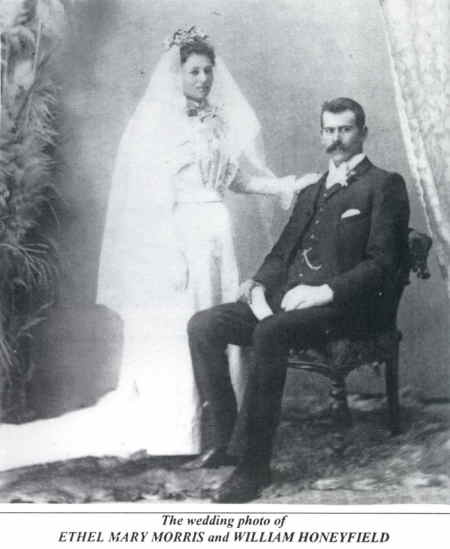


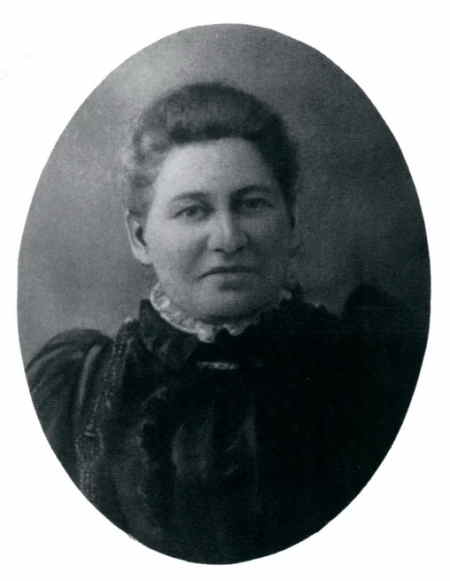
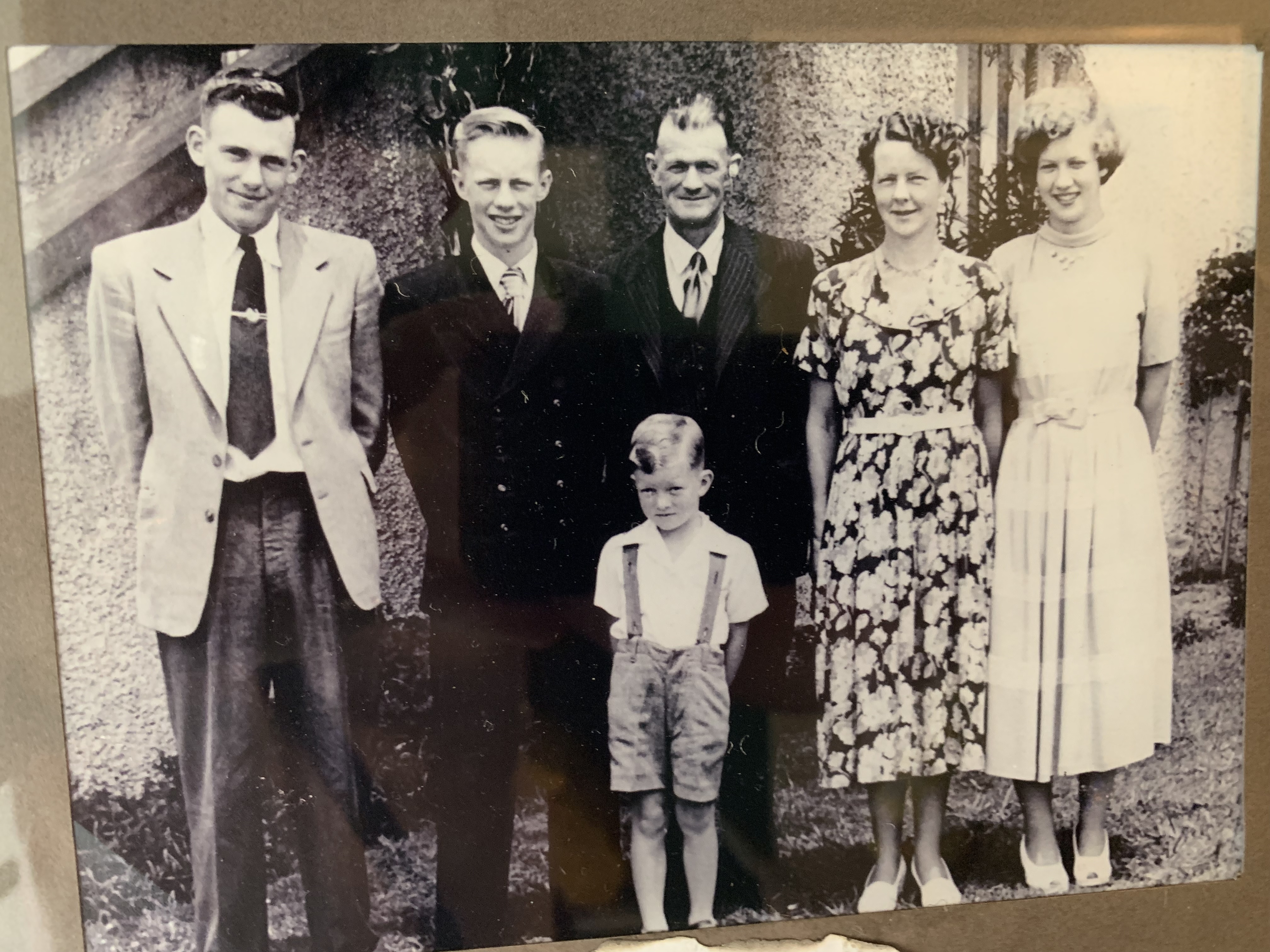


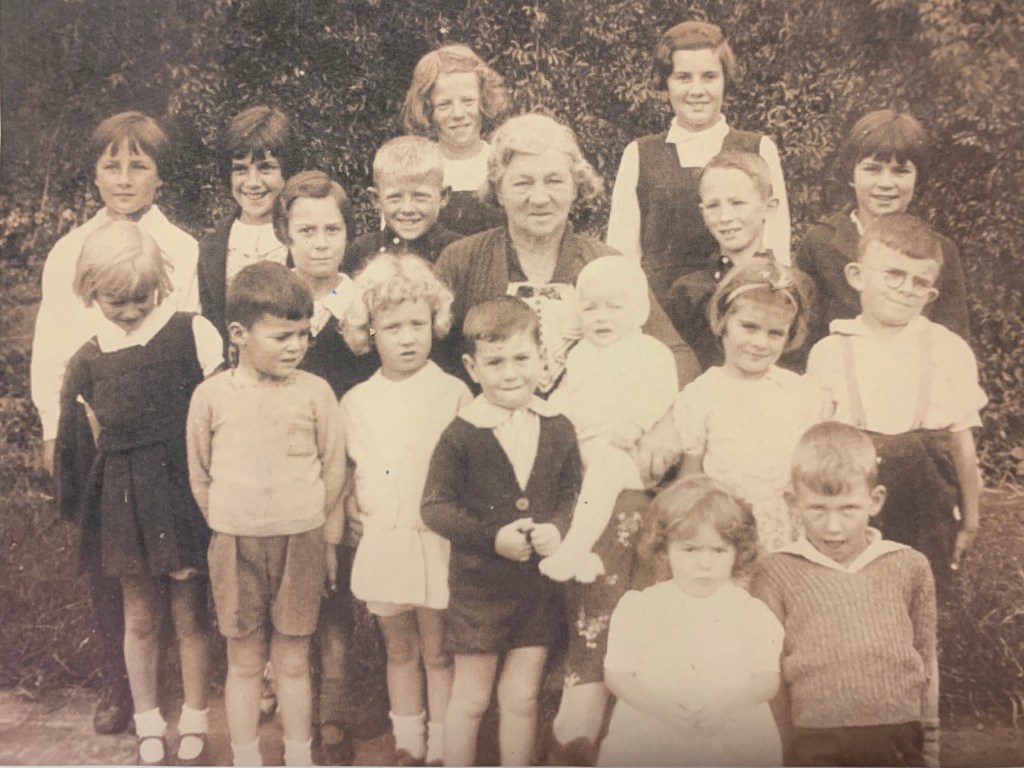
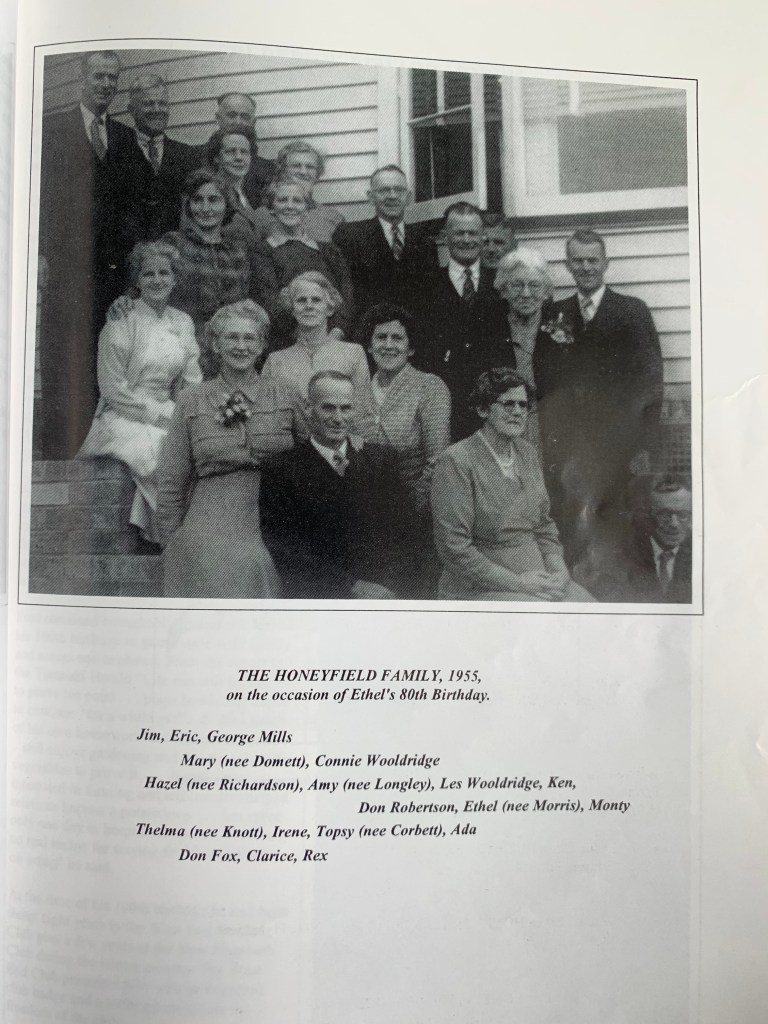
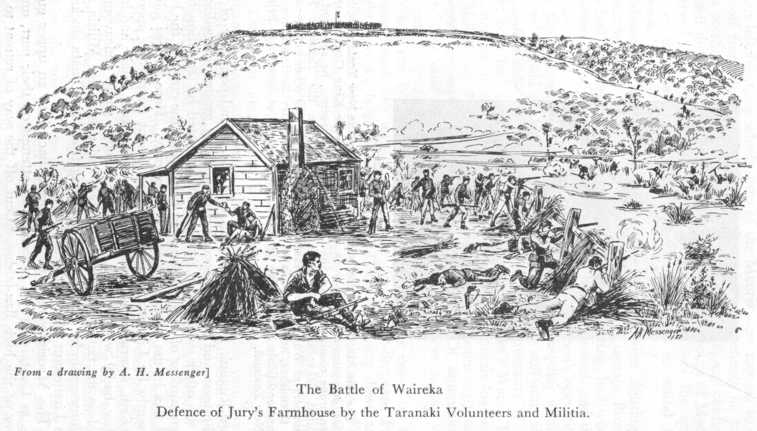



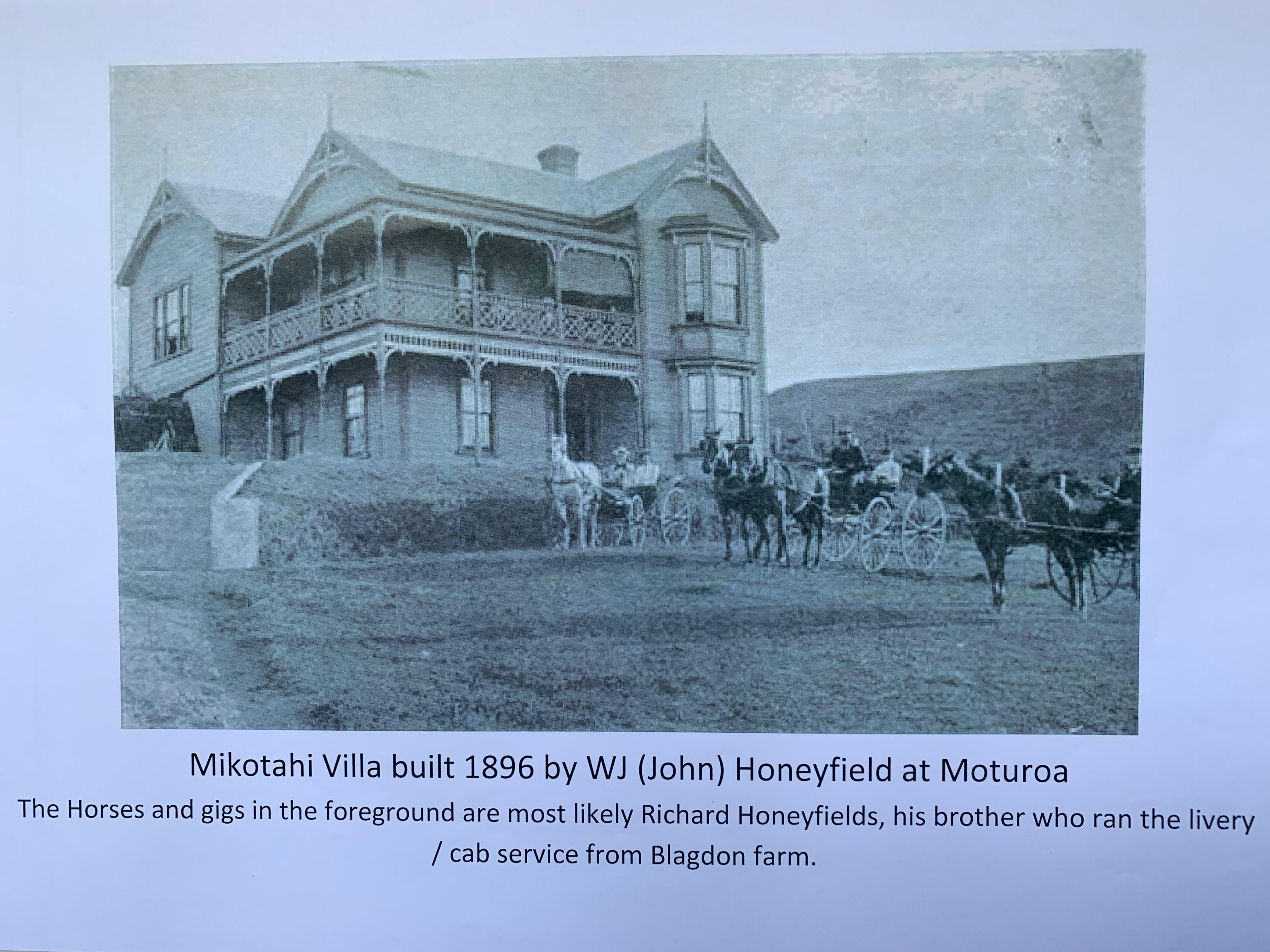

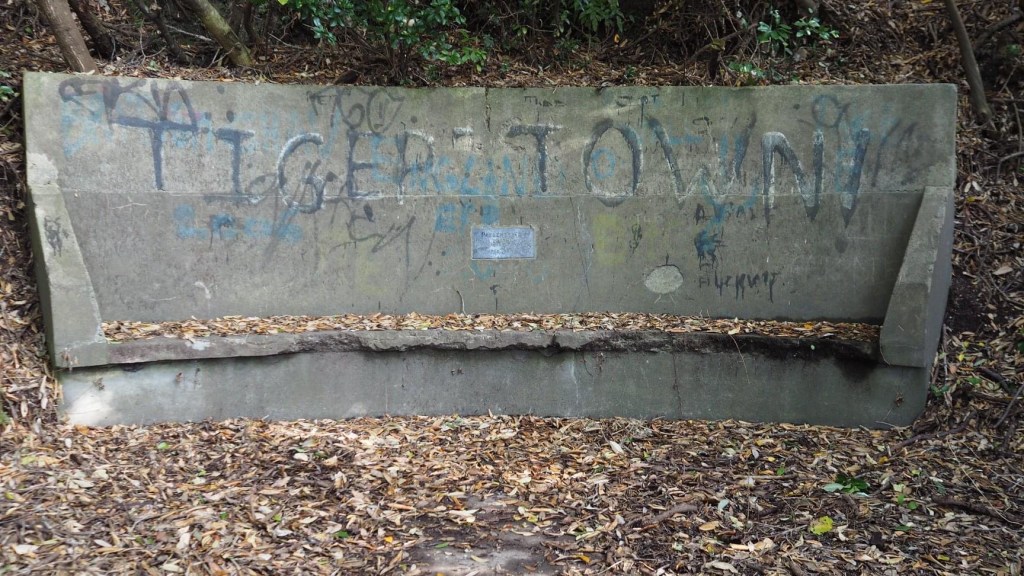
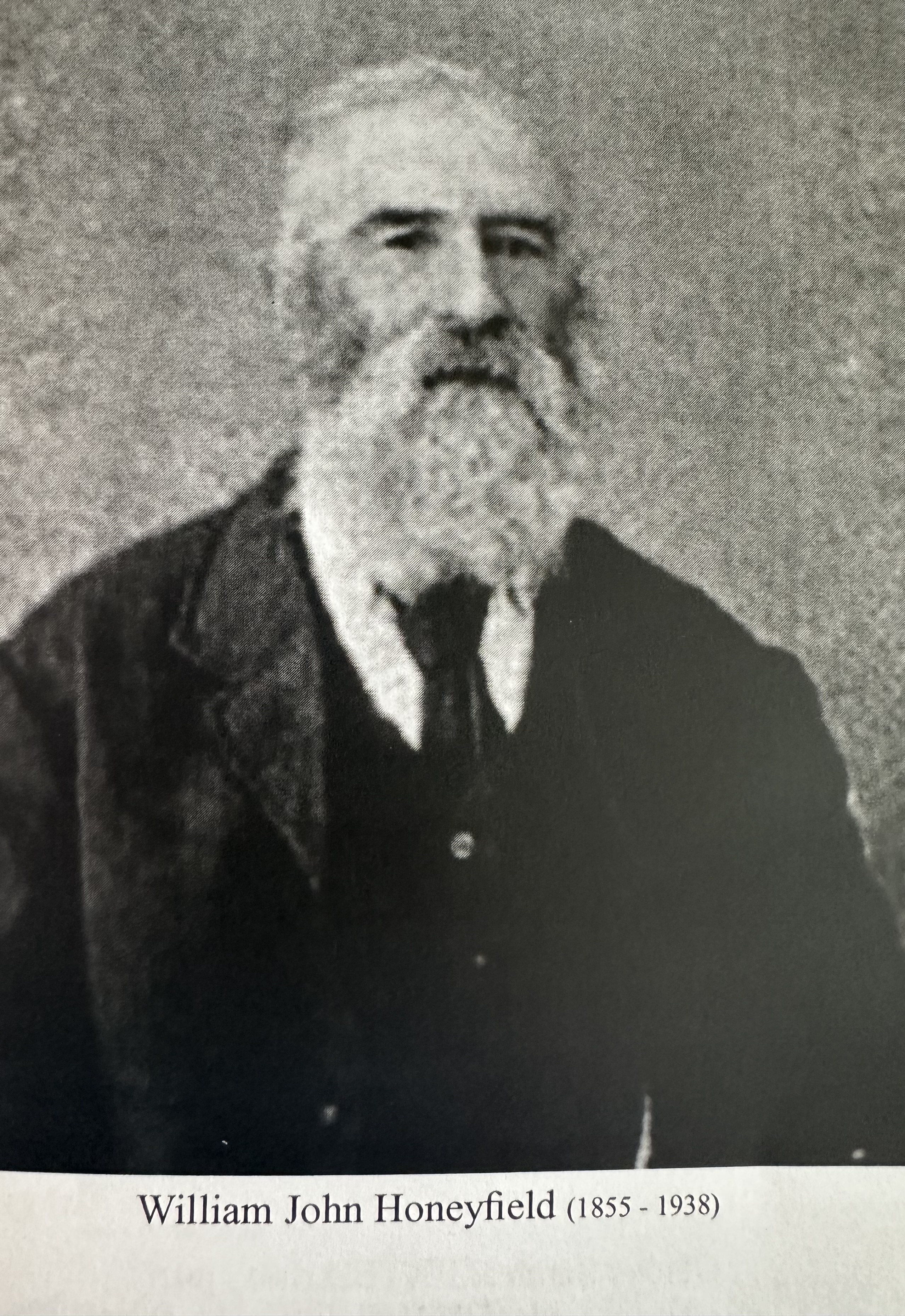

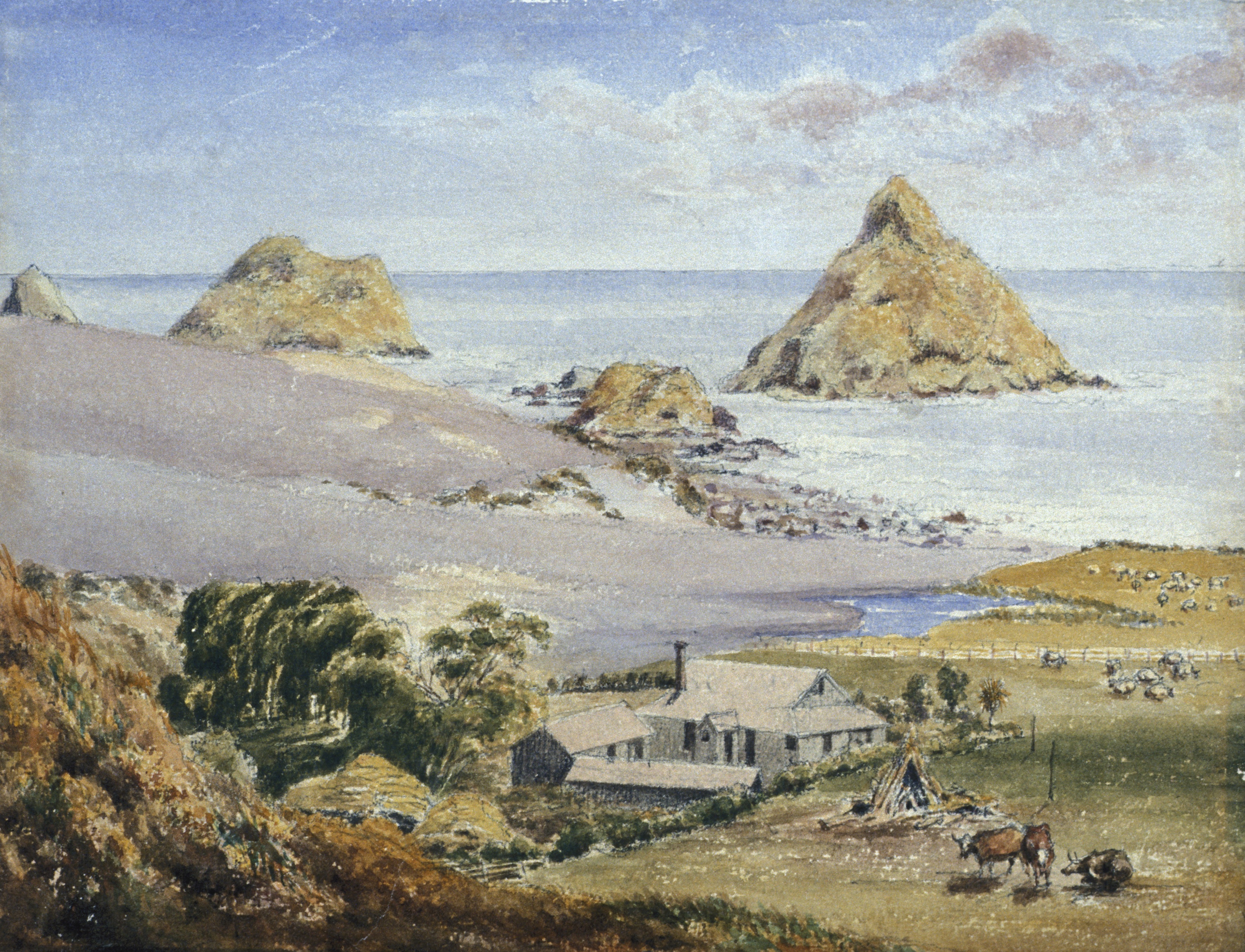
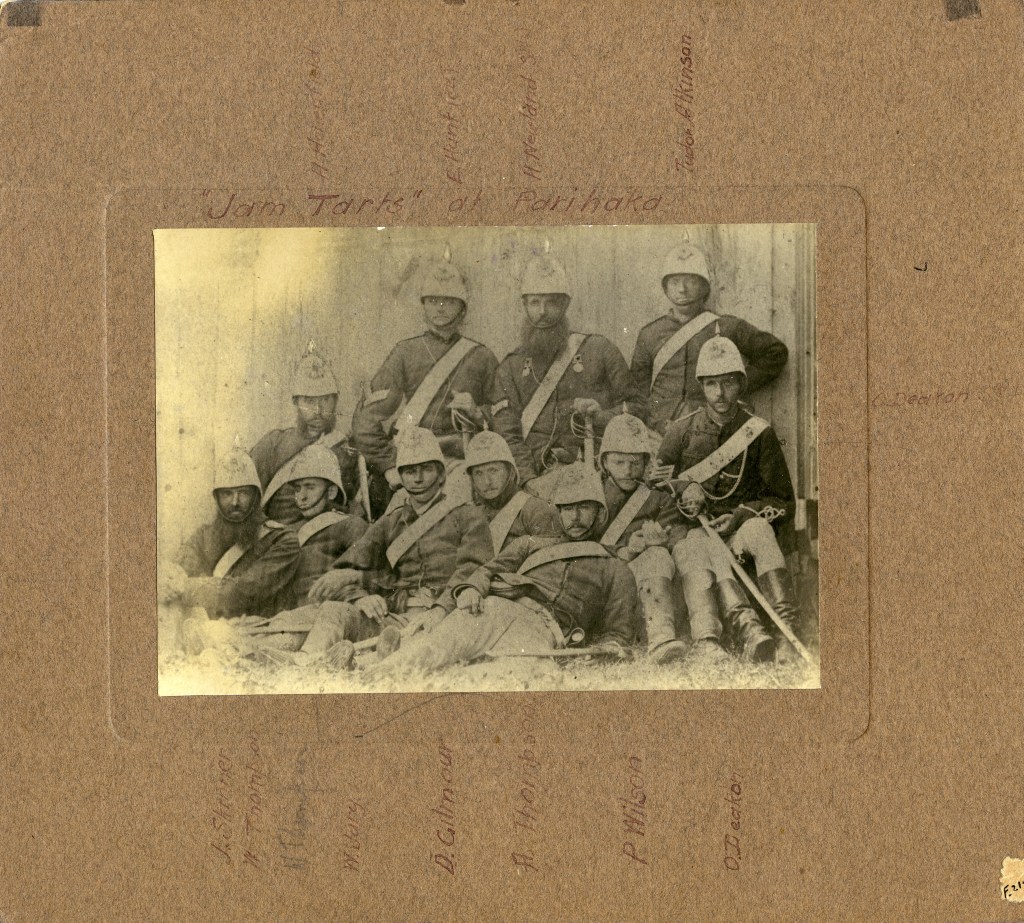


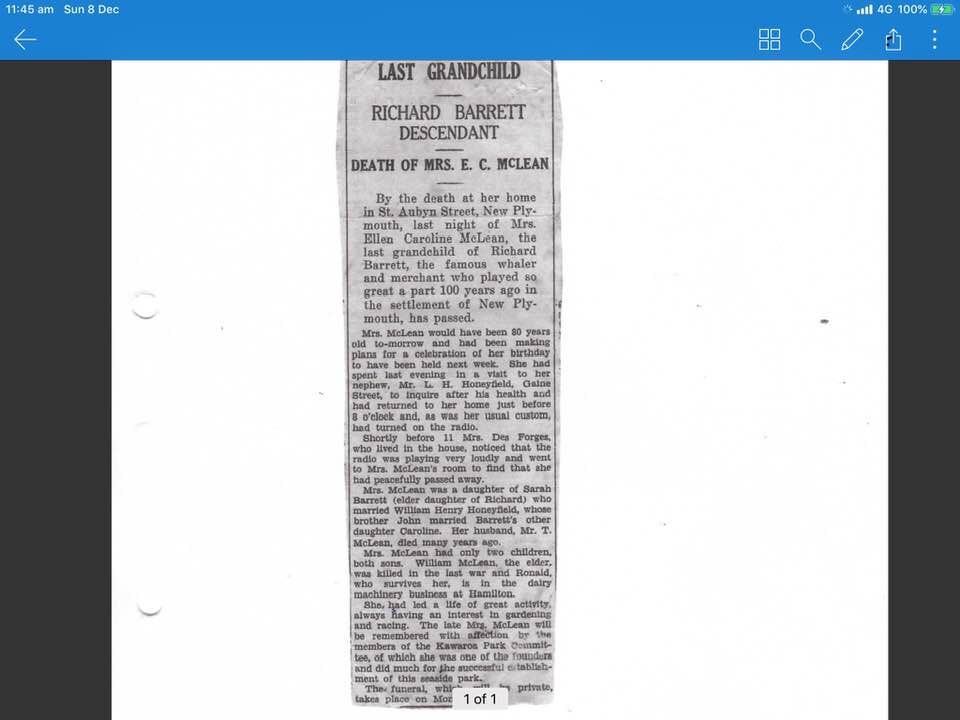
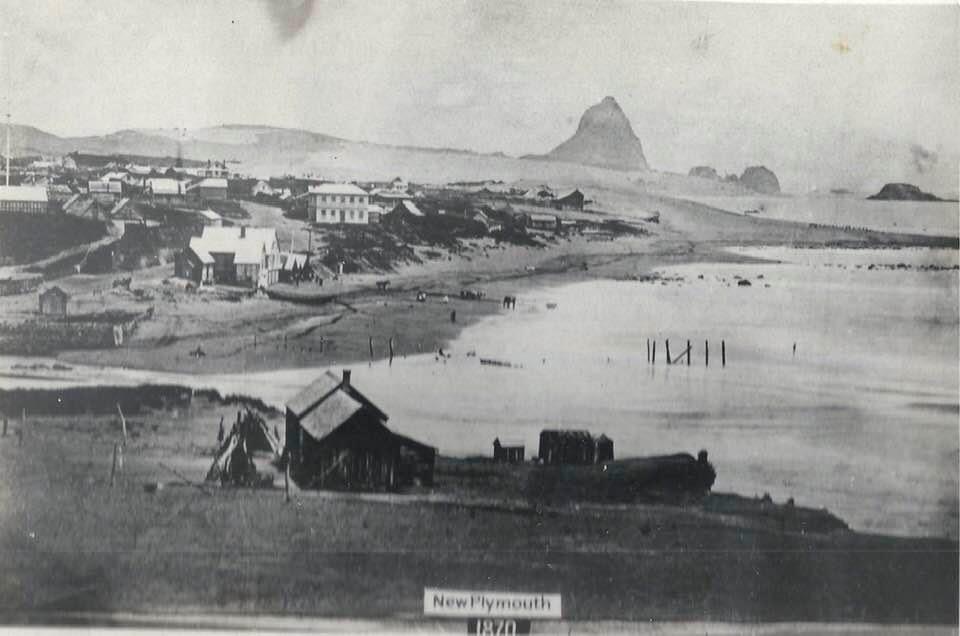
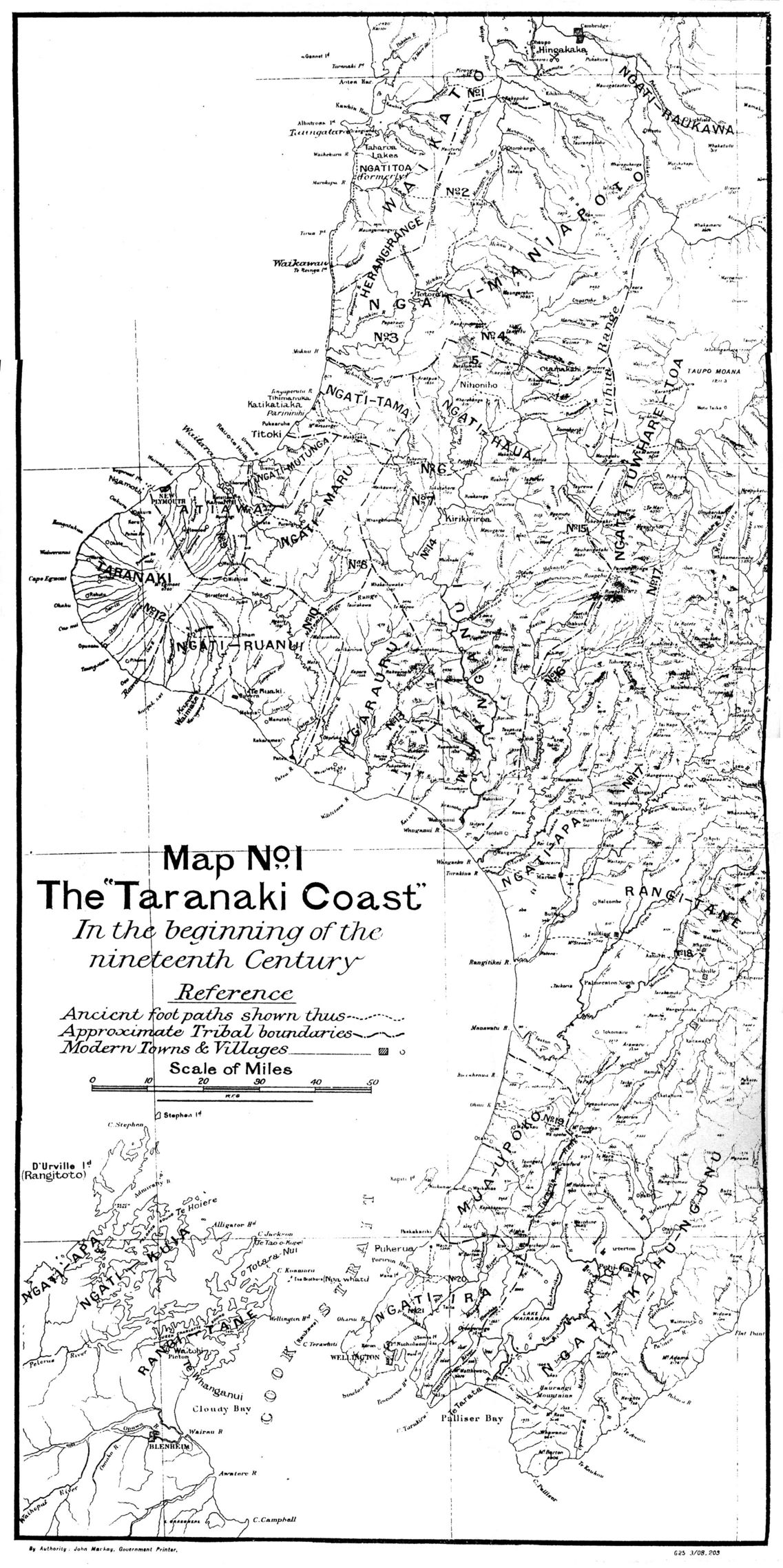
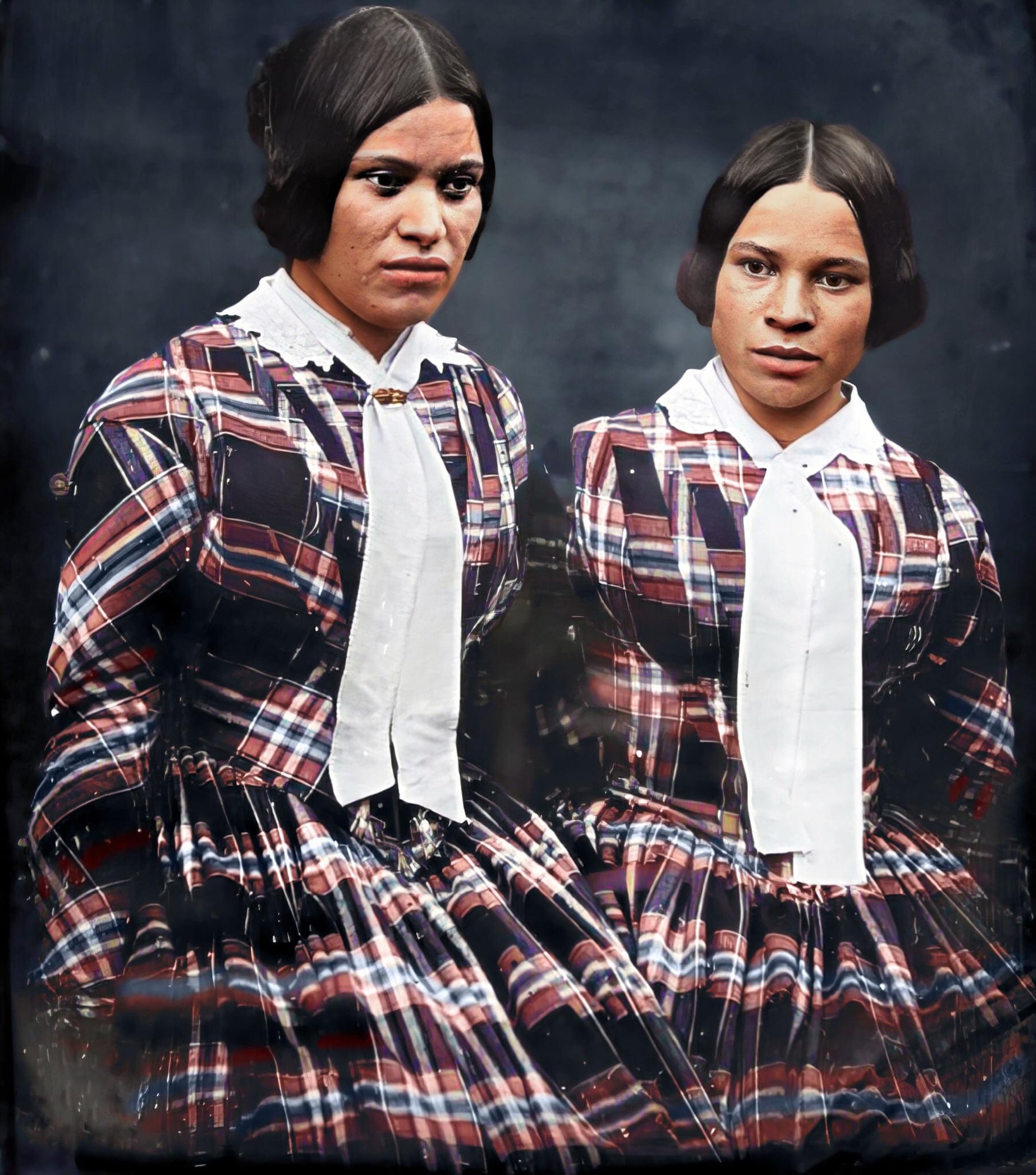

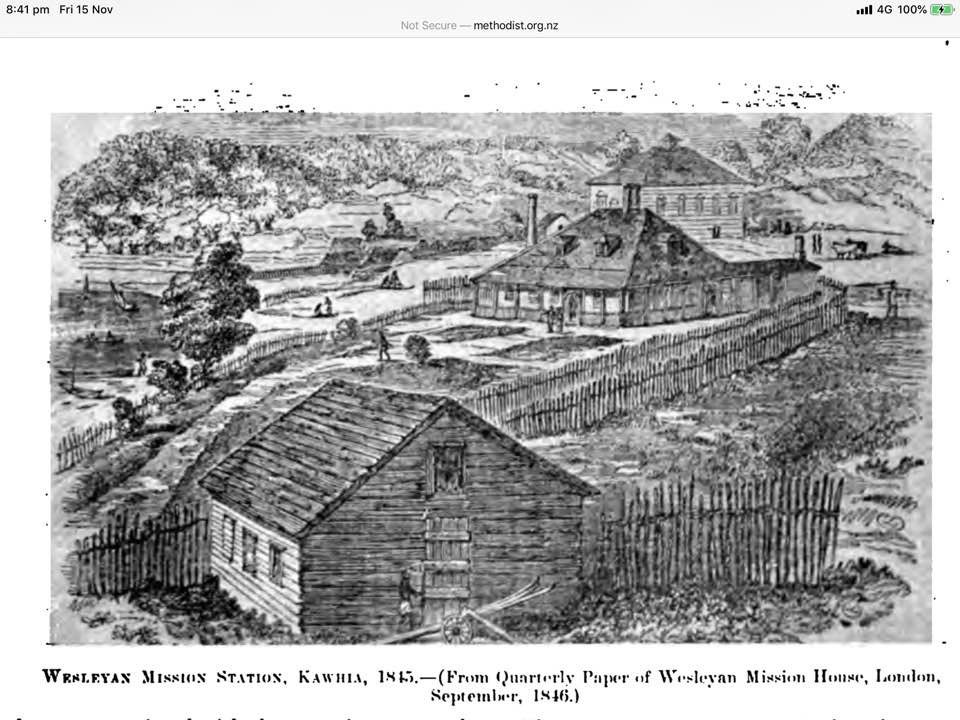
 Barrett Honeyfield Te Atiawa Tūpuna / Ancestry: their lives, the times and their legacy